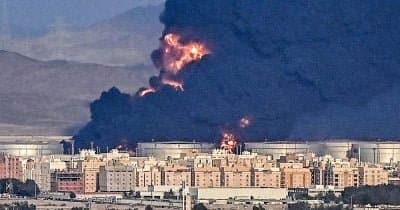
Authorities in Iran's Hormozgan province have issued a warning urging residents to avoid non-essential travel following fears of renewed attacks amid escalating tensions between the US and Iran. This development shows the critical strategic position of Hormozgan, which hosts key infrastructure near the Strait of Hormuz, one of the world’s most vital maritime corridors for oil exports.
The advisory comes as military activity increases, with US airstrikes targeting Iranian infrastructure and retaliatory missile attacks by Iran on Gulf states. This intensification deteriorates the security environment significantly, introducing higher operational risks for any diplomatic or inspection missions, notably those by the International Atomic Energy Agency (IAEA). The potential restriction on IAEA access could stall nuclear site inspections, complicating international efforts to monitor and manage Iran's nuclear program.
Markets have reacted to this news by pricing in heightened geopolitical risk, reflecting concern that the unfolding conflict could disrupt energy flows through the Strait, amplifying volatility in global oil markets. The advisory also hints at logistical and security challenges for international agencies, affecting real-time intelligence and the broader geopolitical dialogue. This dynamic complicates any near-term resolution efforts and raises the probability of protracted conflict.
Implications for Regional Stability and Market Volatility
As observers await official statements from Iranian authorities or the Islamic Revolutionary Guard Corps that might signal further military escalation, the risk profile for the region remains elevated. Negotiations between the US and Iran could alter this trajectory, but until a ceasefire or diplomatic breakthrough occurs, the market is likely to face persistent uncertainty regarding the flow of energy resources.
Given the significance of the Strait of Hormuz in global energy supply, even minor disruptions could have disproportionate effects on oil prices and investor confidence. Heightened military presence and damaged infrastructure could threaten the safe passage of tankers, reinforcing fears seen in previous geopolitical crises.
In this context, closely monitoring any developments from Washington or Tehran is key, as their respective actions will directly influence the security landscape and market behavior. The situation remains volatile, with travel restrictions in Hormozgan serving as a clear marker of deteriorating regional security.
This material is informational and does not constitute financial advice.