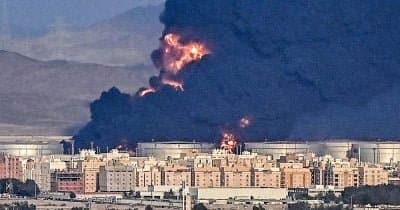
Alarms sounded simultaneously at a U.S. air base and a critical Saudi oil terminal, signaling a steep escalation in the ongoing conflict between Houthis and Saudi Arabia. This development comes after Riyadh reportedly blocked an Iranian plane from landing in Yemen, prompting intensified missile and drone strikes against vital energy infrastructure and American military facilities. Such attacks represent a significant shift, signaling an elevated risk of direct confrontation involving Iran’s regional proxy forces.
The immediate implication for global energy markets is acute vulnerability. Saudi Arabia hosts the massive East-West oil pipeline, a linchpin in global oil exports. Sirens near this terminal suggest an imminent or ongoing threat, echoing past disruptions that have spiked oil prices and unsettled supply chains. For investors, this raises concerns about volatility not just in oil prices but also in related sectors dependent on Middle Eastern stability.
Military tensions now extend beyond traditional battlegrounds. The sirens at Prince Sultan Air Base, housing U.S. troops, hint at a widening scope where U.S. military assets are increasingly targeted. This marks a departure from lower-scale skirmishes toward potentially coordinated attacks that could trigger broader U.S. involvement, affecting geopolitical risk assessments and defense-related investments.
Market forecasts factoring in these events signal growing chances of Iranian military involvement in Gulf conflicts, a scenario that would exacerbate regional instability. Stakeholders must watch for further drone or missile actions and diplomatic responses, as these will heavily influence risk premiums on energy commodities and defense stocks.
Analysts tracking conflict dynamics will find parallels with other regions where military escalations have driven commodity price surges, such as the Strait of Hormuz disruptions. Understanding these patterns is key for anticipating market reactions to conflict-related shocks.
This material is for informational purposes and does not constitute financial advice.