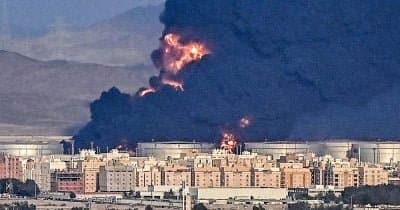
Russian forces have intensified attacks on Ukraine's Black Sea ports, resulting in three fatalities and highlighting a deliberate campaign to cripple key export arteries, notably in Odesa and Pivdennyi. These strikes disrupt shipments of grain and fuel, commodities vital not only for Ukraine's economy but also for global markets reliant on Black Sea exports. The escalation employs ballistic missiles and drones, marking a significant uptick in the sophistication and frequency of military operations in the region.
Ukraine's countermeasure with drone strikes targeting Russian vessels in the Black Sea and Sea of Azov signals a reciprocal intensification, indicating that both sides are adopting more aggressive tactics. For investors and market participants, these developments suggest an increased probability of Russian territorial advances, particularly the anticipated entry into Sloviansk by the end of 2026, as the military focus shifts from isolated strikes to broader strategic objectives.
Market and Geopolitical Implications
The targeting of civilian port infrastructure reflects a shift in Russia's military posture, moving toward disruption of Ukraine's economic lifelines rather than solely focusing on front-line engagements. This change drives market sentiment toward heightened risk perceptions, particularly in commodities and regional security sectors. The potential for further territorial incursions fuels volatility in trading and asset valuations linked to the conflict zone.
Diplomatic responses from NATO and adjustments in military aid to Ukraine are critical variables to watch, as they could modulate the intensity and outcomes of ongoing hostilities. also official statements from Russian authorities regarding territorial ambitions or troop deployments are likely to influence both political dynamics and market pricing.
The unfolding situation shows an increasingly volatile environment where military actions directly intersect with economic stability and investor confidence. This complexity requires continuous monitoring to understand how geopolitical shifts translate into market fluctuations and risk assessments.
This material is informational and does not constitute financial advice.