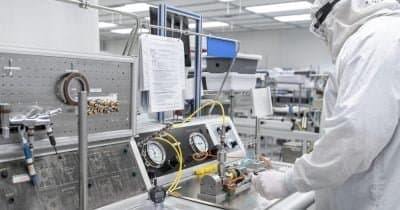
South Korea's economy is witnessing extraordinary growth, a phenomenon driven by an unparalleled demand for AI chips. In May 2026, semiconductor exports surged to an astounding $37.16 billion, reflecting a staggering year-over-year increase of 169.4%. This remarkable figure highlights the urgency in the technology sector, where every leading AI company is clamoring for high-bandwidth memory chips, produced largely by two South Korean giants: Samsung and SK Hynix.
The magnitude of this growth has prompted the government to significantly revise its economic outlook. On July 14, 2026, officials raised the GDP growth forecast for 2026 from 2.0% to an optimistic 3.0%. This marks the most favorable projection in over five years, showcasing the government's adaptability amidst the windfall from the semiconductor sector.
The Central Bank's Response
On July 16, 2026, in response to this rapid economic expansion, the Bank of Korea took its first decisive action in over three years, raising its base interest rate by 25 basis points to 2.75%. While this adjustment may seem minor, it shows a critical reaction to inflation, which had climbed to approximately 3.2% by June 2026, exceeding the Bank's target of 2%. This rate hike signals a turning point; the central bank now must balance growth aspirations with inflation control.
The semiconductor boom plays a central role in this economic narrative. Samsung and SK Hynix are investing around $518 billion to enhance their AI chip production capacities. As a result, South Korea's KOSPI index has experienced a significant rally, buoyed by record chip profits. The government expects nominal GDP to grow by 12.3%, with overall exports anticipated to rise by 40%, even prompting the International Monetary Fund to revise its growth forecast for the country upward.
However, beneath the veneer of rapid growth, important socioeconomic concerns linger. While the chip industry's success bolsters shareholder wealth and national export figures, it hasn't translated into increased wages in non-tech sectors or alleviated cost-of-living pressures for average households experiencing inflation above 3%. The South Korean government is striving for a sustainable economic model through its “3-4-5 Vision,” aimed at maintaining a 3% growth rate and achieving a gross national income per capita of $50,000 by 2026.
This focus on long-term growth amidst immediate financial gains may redefine South Korea's economic landscape for years to come, impacting both investors and everyday citizens alike.
This material is for informational purposes only and does not constitute financial advice.