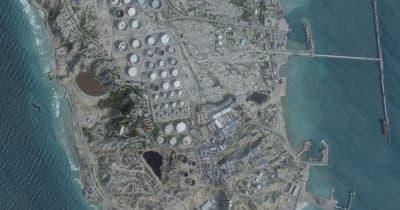
Oil prices have taken a sharp upward trajectory, surprising many analysts who anticipated a more stable market. This surge can be attributed to escalating geopolitical tensions between the United States and Iran, particularly concerning the critical Strait of Hormuz, which is responsible for about 20% of the world’s oil supply. Recent actions by the U.S. government, including revoking sanctions waivers on Iranian oil exports, have heightened fears of supply disruptions.
The Impact of Geopolitical Tensions
The recent rise in prices for Brent crude, now at $86.99 per barrel, and WTI, which has reached $80.34, marks a significant rebound from the earlier July levels. This increase happened just as markets were beginning to stabilize following initial peace talks. The market's reaction indicates that investors are increasingly pricing in the likelihood of continued instability in the region, which could further limit supply.
As experts have pointed out, the withdrawal of U.S. sanctions waivers is particularly concerning. This development not only complicates Iran's ability to export oil but also signals a more aggressive U.S. stance, leading to fears of military confrontations. Such scenarios could lead to severe restrictions in oil flow through the Strait of Hormuz, further exacerbating supply concerns.
Market Predictions and What to Watch
Looking ahead, market observers need to keep a close eye on the dynamics of U.S.-Iran relations. Any military escalation or diplomatic breakdown could lead to significant fluctuations in oil prices. Key figures in the energy market, such as OPEC’s Secretary General Mohammad Sanusi Barkindo and Saudi Arabia’s Energy Minister Abdulaziz bin Salman Al Saud, will play crucial roles in navigating these turbulent waters. Their actions could either stabilize the market or contribute to increased volatility.
Moreover, the prediction markets, particularly those set for September 30 and December 31, remain sensitive to these geopolitical tensions. Analysts suggest that any disruptions in oil supply could potentially push prices towards new all-time highs, which would have ripple effects across various sectors, including transportation and consumer goods.
This article is for informational purposes only and should not be considered financial advice.