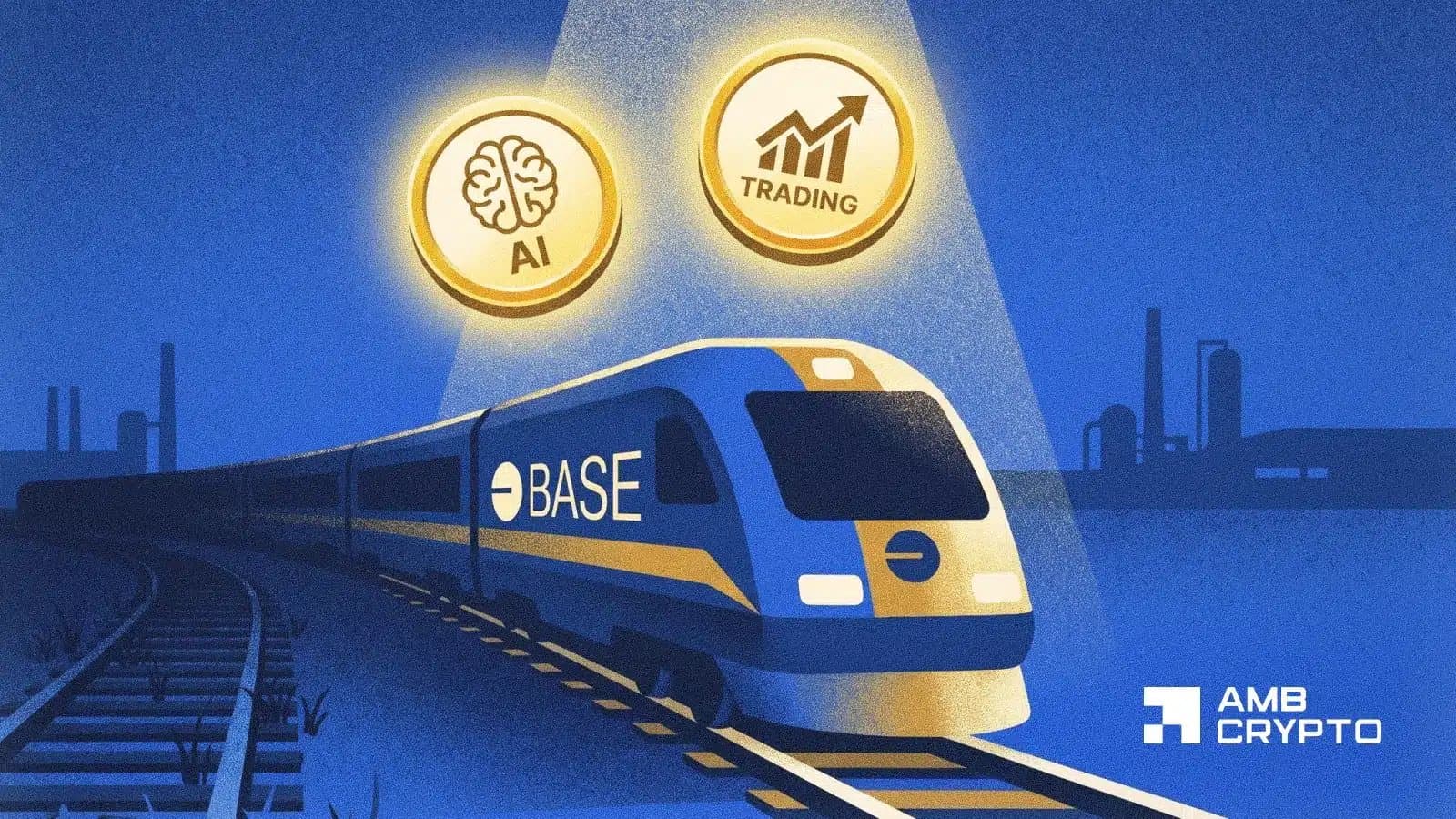
Base, the Ethereum layer 2 solution incubated by Coinbase, has recently made headlines with its decision to abandon its initial social media strategy. Jesse Pollak, the founder, described this pivot as a necessary correction, acknowledging that their focus on social experiences over the past two years was misguided. This unexpected turn raises questions about the competitive landscape in the crypto space, especially with the emergence of Robinhood Chain.
Shifting Priorities in a Competitive Landscape
Pollak's admission that the social vision was a 'wrong' bet reflects a broader trend in the crypto industry where projects must rapidly adapt to market demands. While Base initially aimed to create a vibrant social platform, the failure of creator coins and on-chain social experiences has prompted a recalibration towards more traditional yet lucrative segments such as trading, payments, and AI agents. This pivot is not just a strategic shift; it's a response to the pressing need for sustainability and relevance in a highly volatile market.
Coinbase CEO Brian Armstrong echoed this sentiment, admitting that certain initiatives within Base had not met expectations. The decision to pivot comes amidst fierce competition from Robinhood Chain, which has recently launched and is gaining traction by targeting memecoin trading, a segment that could attract significant speculative activity.
Robinhood Chain's Rapid Ascent
The timing of Base's pivot is particularly noteworthy as Robinhood Chain is making a bold entrance into the market. In just 24 hours, Robinhood recorded an impressive $800 million in trading volume, closely trailing Base's $880 million. However, when analyzing weekly performance, Robinhood's total volume reached $5 billion compared to Base's $6 billion. Such figures suggest that Robinhood could soon surpass Base, becoming the third-largest chain for speculative trading after Solana and Ethereum.
This competitive pressure raises questions about the long-term viability of Base's strategy. If Robinhood Chain continues its aggressive growth trajectory, Base might find itself struggling to maintain its market position. Analysts have pointed out that Base's pivot indicates a defensive maneuver rather than a proactive strategy, as it seeks to solidify its place in a rapidly evolving landscape.
The Future of Base and the Crypto Market
As Base repositions itself to focus on trading, tokenization, and AI agents, the implications for investors and the broader market are significant. The shift highlights a critical juncture in the crypto industry, where platforms are increasingly integrating various financial services to establish themselves as super apps. The success of this strategy will depend on Base's ability to innovate and differentiate itself from emerging competitors like Robinhood Chain.
Ultimately, the real test will be whether Base can capitalize on its new direction without losing ground to its rivals. The next few months will be crucial as the market continues to evolve and redefine what it means to be a leader in the crypto space.
This material is informational and not financial advice.