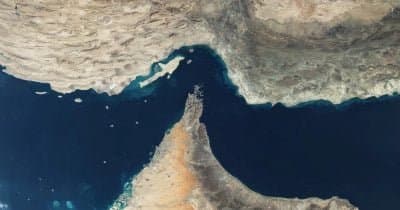
The recent commentary by Matthew Whitaker, the U.S. Ambassador to NATO, regarding the Iran-U.S. interim deal emphasizes a critical aspect that could significantly impact global oil markets. This performance-based agreement hinges on Iran’s ability to ensure safe passage for vessels through the strategically vital Strait of Hormuz. The ceasefire established by the June 17, 2026 Memorandum of Understanding (MoU) seeks to restore commercial traffic without tolls, contingent on Tehran's compliance with the terms set forth.
The MoU represents an important diplomatic effort aimed at stabilizing a region that has long been fraught with tensions affecting global oil supply routes. By stipulating that Iran must refrain from threatening maritime vessels, the agreement directly addresses a primary concern for international shipping and oil exports. The implications for Iran are substantial; successful adherence could lead to waivers on sanctions and renew its capabilities to export oil, which has been severely curtailed in recent years.
Despite the apparent diplomatic progress, market response appears cautious. According to recent predictions, the likelihood of traffic normalization in the Strait of Hormuz by August 31 has plummeted from 36% to 17.5%. This notable decrease in confidence illustrates skepticism among market participants regarding Iran's commitment to the MoU. The ongoing uncertainty raises questions about whether the Iranian government will genuinely pivot toward compliance or if aggressive posturing will continue.
Market analysts and observers are keenly watching for any announcements from both Tehran and Washington that could signal progress or regression in the negotiations. Significant developments, such as a confirmed peace deal or joint press conferences, would likely bolster market confidence and lead to a more favorable outlook. Conversely, any military escalations or reaffirmations of hostility from Iran could exacerbate market fears, potentially leading to renewed volatility in oil prices.
As the situation unfolds, the coming weeks will be crucial in shaping the future of oil markets. Investors and stakeholders must remain vigilant to navigate the potential disruptions that may arise from this complex geopolitical landscape.
This material is informational and should not be considered financial advice.