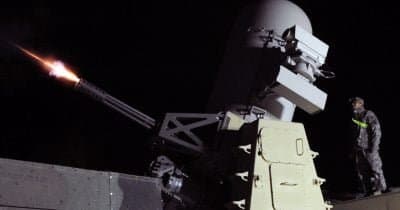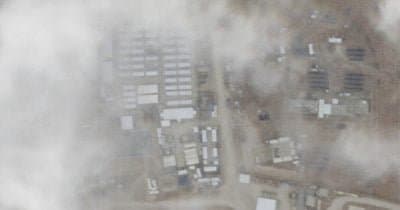
On July 18, 2026, two U.S. service members were killed in an attack on the Al-Azraq base in Jordan, marking the first American combat deaths since March in the intensifying conflict between the U.S. and Iran.
The Islamic Revolutionary Guard Corps (IRGC) of Iran claimed responsibility, signaling a bold escalation amid collapsing ceasefire efforts from June.
This event is not isolated; it occurs against a backdrop of ongoing missile and drone exchanges across the Strait of Hormuz, a strategic chokepoint critical for global energy supplies.
U.S. forces have been conducting continuous strikes on Iranian military assets, while Iran's military actions reveal growing willingness to target U.S. interests beyond its borders, particularly in Gulf-linked states.
These casualties deepen the risk of further military escalations in the Gulf region, with prediction markets currently pricing a 57% probability of Iran launching additional attacks against Gulf states by July 22.
Markets are closely monitoring key dates toward the end of July, when regional tensions could reach new peaks if Iran follows through on recent threats.
The involvement of Gulf countries such as Saudi Arabia and the UAE will be decisive in either containing or inflaming hostilities something reflected in shifting market sentiment and risk calculations.
Investors and observers should note that such geopolitical turbulence often translates into increased volatility for oil prices and related financial instruments.
Heightened conflict risks could also trigger shifts in risk appetite across crypto and traditional markets, suggesting increased caution is warranted ahead.
Rising US casualties amplify crypto volatility amid Middle East tensions sheds further light on how these dynamics reverberate through digital asset markets.
This material is informational and does not constitute financial advice.