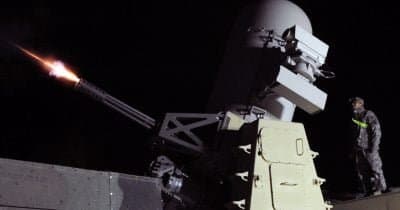
Videos recently surfaced showing Counter-Rocket, Artillery, and Mortar (C-RAM) defense systems actively intercepting threats over Erbil, located in Iraq's Kurdistan Region. This is not a routine military exercise but a direct response to increased ballistic missile and drone attacks linked to Iranian-aligned militias. The deployment and activation of these U.S. military defenses highlight a tangible escalation in hostilities amid the ongoing 2026 Iran war.
The presence of C-RAM systems engaging incoming threats signals more than just immediate danger to Erbil. It reflects a broader strategic contest between Iran and its adversaries, particularly Gulf states supported by the U.S. The fact that these defensive systems are firing suggests that the airspace there has become contested and that Iranian-backed forces are adopting more aggressive tactics, likely aiming to destabilize regional allies.
Implications for Regional Stability and Markets
Heightened military tensions like these complicate an already fragile geopolitical environment. The increased use of missile and drone attacks raises the risk of miscalculations that could rapidly spiral into wider conflict. For investors and market participants, this environment translates into elevated uncertainty and volatility, especially in sectors sensitive to Middle East stability such as energy and defense.
Market pricing now increasingly factors in the possibility of further Iranian military action against Gulf states. The active engagement of C-RAM defenses is a clear signal that these threats are not theoretical but unfolding realities. This dynamic could pressure energy prices and prompt reallocation of investments toward safer assets or defense-related equities.
What to Monitor Going Forward
Key indicators will include official statements from U.S. Central Command or Iranian military channels that might shed light on the nature and scale of these engagements. also tracking shifts in prediction markets related to Iranian actions can provide insights into how traders assess the risk of broader conflict escalation.
Any continuation or intensification of attacks over Erbil might prompt stronger diplomatic responses or military countermeasures, further impacting regional security calculations and market sentiment. The ongoing conflict environment demands close attention from investors aiming to anticipate potential market shifts.
This material is for informational purposes and does not constitute financial advice.