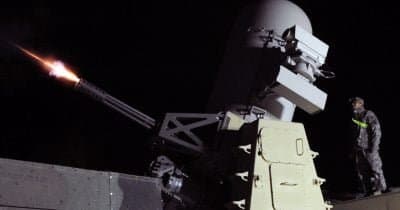
Bitcoin slipped below the $64,000 mark amid the seventh consecutive night of US military airstrikes targeting Iranian positions near the Strait of Hormuz, signaling growing risk aversion among investors. The sustained escalation in the Middle East, amplified by the death of two US service members in Jordan, has injected fresh volatility into crypto markets, reflecting deeper macroeconomic concerns.
Escalation along the Strait of Hormuz and Market Implications
On July 17-18, US Central Command struck Iranian military assets including surveillance, missile infrastructure, and maritime defenses in Hormozgan province, a critical chokepoint through which approximately 20% of global oil supply transits daily. These targeted assaults followed the collapse of a ceasefire on July 15 and represent an intensification of hostilities that directly threaten energy supply stability.
The strategic importance of the Strait means any disruption risks sharp crude price spikes, exacerbating inflationary pressures worldwide. Rising oil costs typically lead central banks to delay easing monetary policy, pushing interest rate cuts further into the future. For crypto investors, this dynamic undermines the risk-on environment that has supported recent gains.
Crypto Market Reaction: Risk-Off and Technical Levels to Watch
Bitcoin’s dip under $64,000, trading between $62,800 and $63,800 during the strikes, illustrates a classic risk-off market posture. Similar patterns emerged during geopolitical shocks such as Russia’s 2022 invasion of Ukraine, when Bitcoin briefly declined 8% within a week. The $62,800 support level now serves as a critical threshold. Breaching it could trigger cascading liquidations in leveraged crypto positions, intensifying downside moves beyond what geopolitical fundamentals alone would suggest.
Beyond Bitcoin, other major tokens have also experienced sell-offs linked to the broader market turmoil caused by the escalated conflict. Investors should monitor whether diplomatic efforts or further military actions will dominate the coming days. The death of US personnel in Jordan heightens the probability of intensified strikes rather than de-escalation, which could prolong market stress.
This analysis is informational and does not constitute financial advice.