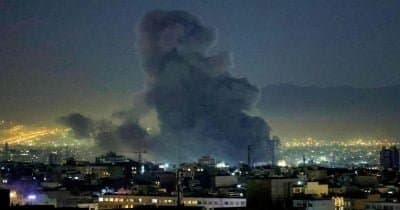
The recent spike in the U.S. Treasury two-year yield to 4.21% marks a significant shift in market sentiment, reflecting the intersection of geopolitical tensions and economic indicators. This surge is tied closely to escalating military actions in Iran by the U.S. and Israel, which have led to a considerable rise in oil prices. The situation has fostered fears about a potential closure of the Strait of Hormuz, a critical conduit for about 20% of the world's oil supply, further pressuring inflation.
As energy prices increase, inflationary pressures mount, prompting speculation that the Federal Reserve may tighten monetary policy to combat these rising costs. Although the Fed maintained the federal funds rate during its last meeting, it openly recognized the inflation risks stemming from the Middle Eastern conflict, indicating a shift in its focus towards balancing price stability against economic growth.
One of the notable implications of the rising yield is its signal toward the market's expectation of Federal Reserve action. The increase in Treasury yields suggests that investors are adjusting their predictions, moving away from anticipated rate cuts in 2026 and leaning more towards the possibility of tighter monetary policy. Current inflation metrics continue to exceed the Fed's target, which adds weight to arguments supporting prospective rate hikes rather than cuts.
Moving forward, it will be important to monitor communications from Fed officials, particularly from Chair Jerome Powell and Vice Chair Philip Jefferson. Their insights may provide clarity on whether the Fed plans to shift its approach in light of ongoing inflationary pressures. Additionally, key economic indicators, including upcoming inflation reports and employment data, will play a critical role in shaping market expectations regarding rate adjustments.
The unfolding situation in the Strait of Hormuz could have far-reaching implications, shaping not only inflation forecasts but also the Fed's policy-making process. Amid these external shocks to supply, the interplay between geopolitical events and economic fundamentals will remain a focal point for investors navigating these turbulent waters.
This analysis is informational and should not be considered as financial advice.