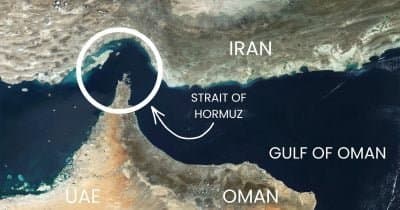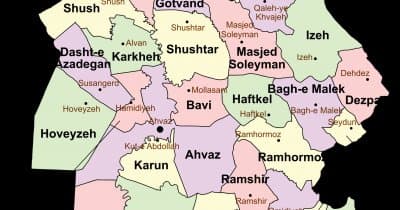
Recent U.S. projectiles struck Omidiyeh, Iran, injuring four individuals, marking a significant escalation in ongoing military tensions between the two nations. This incident follows the collapse of a temporary ceasefire earlier this month and highlights a broader U.S. campaign targeting Iranian military infrastructure. With additional strikes reported in Hormozgan and Mahshahr, the situation is rapidly deteriorating and warrants close attention from international observers.
The ramifications of these attacks extend beyond immediate injuries. The market’s response suggests a growing belief in the potential instability of the Iranian regime, with rising odds reflecting expectations of a regime change before 2027. This shift indicates that investors are increasingly factoring in the likelihood of significant political upheaval within Iran, which could reshape not only the region but also global economic dynamics.
As military exchanges continue, the potential for further escalation remains high. Reports of defections within the Islamic Revolutionary Guard Corps (IRGC) or large-scale protests could serve as critical indicators of the regime's vulnerability. Such developments would align with a scenario where regime change becomes more feasible, further influencing market perceptions. Additionally, the situation necessitates keen scrutiny of U.S. foreign policy directives, especially any statements from President Donald Trump regarding military strategies and objectives in the region.
Observing these dynamics is essential for understanding the shifting sands of geopolitical power, particularly as they relate to oil prices and market sentiment regarding cryptocurrencies. The intertwining of military action and financial markets will be critical as these events unfold; investors should prepare for potential volatility in response to further developments.
This material is for informational purposes only and does not constitute financial advice.