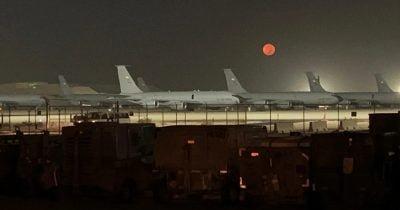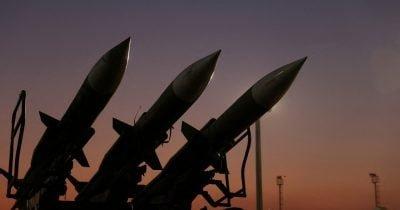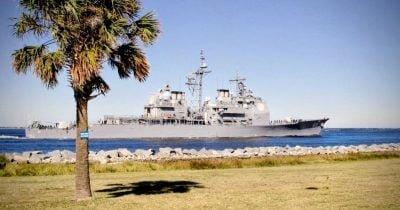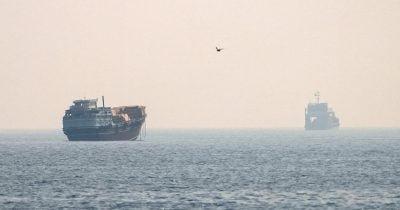
Recent escalating tensions between the United States and Iran have prompted the U.S. to resume military actions against the Iranian military, particularly following a series of Iranian attacks on commercial vessels in the Strait of Hormuz. These actions have drawn a stern response from the U.S. military, which carried out airstrikes aimed at Iranian military targets. Such a development is significant for several reasons, including its potential to cause serious disruptions in one of the world's most crucial maritime trade routes.
The latest reports indicate that Iran's Revolutionary Guard Corps (IRGC) has declared the Strait of Hormuz “completely closed” to maritime traffic. This assertion poses direct challenges not only to regional security but also to global oil supplies. Given that approximately 20% of the world's oil passes through this narrow waterway, any sustained military engagement or airspace closure could have far-reaching implications for energy markets across the globe.
The likelihood of a complete airspace closure by Iran seems to be increasing, with market estimates showing a jump in probability from 16% to 23% in just a span of 24 hours. Such market pricing reflects heightened fears among investors regarding the stability of air travel and shipping in the region. If Iran officially announces an airspace closure, this could ripple through global markets, driving up oil prices and further stoking inflationary pressures.
As market participants keep a close watch on official statements from the Civil Aviation Organization of Iran (CAOI) and any new developments regarding military actions, the potential for escalation remains high. Any announcements or military actions from either side could drastically shift market sentiments and expectations. In this light, the situation in the Strait of Hormuz deserves careful monitoring, particularly its implications for oil prices and regional stability.
This material is informational and should not be taken as financial advice.