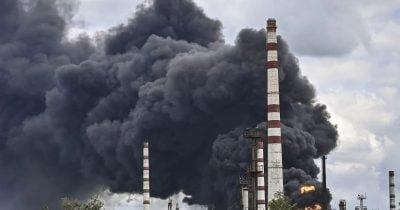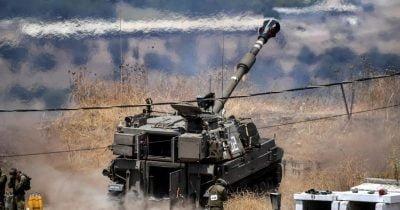
The tragic conclusion of rescue operations in Kyiv, following a recent missile strike that killed 31 people, marks a crucial juncture in the ongoing conflict between Russia and Ukraine. This incident not only exemplifies the heightened volatility of the region but also signals a significant escalation in military engagements, which could complicate any ceasefire negotiations.
Understanding the Context of the Strike
This assault, characterized by the use of over 70 missiles and nearly 500 drones, underscores a shift towards increased military aggression from Russia. The intent behind such overwhelming firepower appears to be a direct response to Ukraine's recent operations targeting Russian territory. The implications of this retaliation are profound not only do they reflect a cycle of escalation, but they also indicate an environment where diplomatic resolutions may become increasingly unlikely.
Market Implications and Ceasefire Likelihood
Current market sentiment shows a marked decrease in the perceived likelihood of a ceasefire agreement between the two nations by the end of 2026. The recent attacks suggest that hostilities may persist, thereby influencing investor confidence and strategies in related markets, particularly those tied to defense, energy, and humanitarian efforts.
Potential Outcomes and What to Watch
As we assess the fallout of this missile strike, key diplomatic players will likely play a significant role in shaping future developments. Statements from prominent figures such as U.S. President Donald Trump, Russian Foreign Minister Sergey Lavrov, and Ukrainian President Volodymyr Zelensky will be critical. Investors and analysts should remain vigilant for any shifts in military actions or diplomatic rhetoric that could signal a turning point in negotiations. The broader geopolitical landscape, influenced by these incidents, will continue to extend its impact into various sectors, reflecting on market stability and investor sentiment.