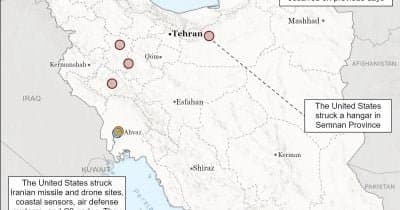
On March 11, the Islamic Revolutionary Guard Corps (IRGC) of Iran attacked the Thai-flagged bulk carrier, Mayuree Naree, leading to the death of three sailors. This incident caused oil prices to surge, with Brent crude reaching a record spike at $126 per barrel. Analysts noted this was the largest monthly increase in oil prices on record, driven by heightened tensions in the region. Such escalations directly impact not only energy markets but also the broader implications for international commerce.
The IRGC's aggression is not just a maritime concern; it's drawing attention to the emerging demand for cryptocurrencies in global trade. Iranian entities are reportedly insisting on transit fees in cryptocurrencies or alternative currencies such as the Chinese yuan during temporary ceasefires. This marks a significant shift in how sovereign actors may use digital assets for international transactions, particularly given Iran's ongoing exclusion from traditional banking systems due to sanctions.
Historically, the Strait of Hormuz is known as a critical juncture for oil transportation, with approximately 20% of the world's oil and liquefied natural gas traversing its waters. The recent actions suggest that Iran is willing to escalate tensions further, targeting multiple vessels concurrently. For energy traders and investors, this volatility may necessitate close monitoring of geopolitical developments, particularly if further actions by the IRGC are anticipated.
As digital currencies gain traction in unconventional contexts, such as transit payments, we may see a further entrenchment of cryptocurrencies in global economic structures. The inclusion of cryptocurrencies alongside the yuan indicates Iran's strategic pivot towards alternatives that circumvent sanctions, which could set a precedent for other nations facing similar restrictions. The ramifications of these developments could extend beyond Iran, potentially influencing how cryptocurrencies are viewed and utilized in international trade.
This is informational material and should not be considered financial advice.