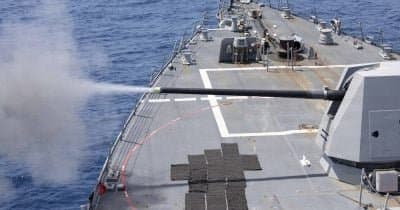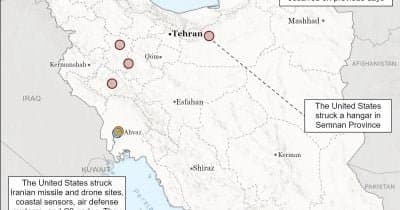
On July 16, 2026, a U.S. airstrike caused severe damage to a warehouse at an Islamic Revolutionary Guard Corps (IRGC) base in Rask, Iran. Video evidence revealed significant destruction of the facility's roof, marking a notable shift in the locus of military action.
This incident represents the sixth consecutive night of U.S. strikes targeting Iranian military assets since the ceasefire breakdown in June 2026. The continued focus on Iranian infrastructure shows Washington's intent to degrade Tehran's capabilities, particularly those threatening the Strait of Hormuz, a critical artery for global oil shipments.
Striking an inland site like Rask, as opposed to prior coastal locations, suggests an escalation in operational scope. This expansion could signal a willingness by the U.S. to intensify pressure deep within Iranian territory, potentially provoking stronger retaliatory measures.
The IRGC has reportedly responded with attacks against American military facilities in Bahrain, Kuwait, and Jordan, amplifying tensions across the Gulf region. Such tit-for-tat exchanges increase the risk of a broader conflict involving Gulf states, whose stability is vital to global energy markets.
Market participants have taken note. Price movements and risk assessments reflect rising concerns about the likelihood of further Iranian military responses targeting Gulf partners. The heightened risk perception could impact regional asset valuations and trading strategies.
Investors and observers should closely watch for additional U.S. strikes on Iranian infrastructure, as well as retaliatory actions. Statements from key figures like Iranian Supreme Leader Ali Khamenei and U.S. military authorities may provide signals about escalation or possible de-escalation pathways.
on top of that, diplomatic initiatives from regional actors such as Qatar or Oman aiming to mediate tensions warrant attention, as successful negotiations could reduce military risks and stabilize markets.
The ongoing Iran-US conflict and its impact on the Strait of Hormuz illustrates the fragility of energy supply chains during regional strife.
Disclaimer: This material is informational and does not constitute financial advice.