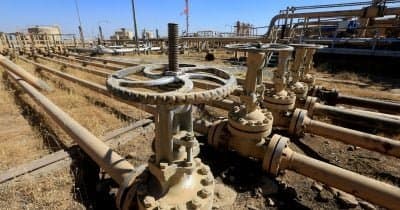
The United States has voiced its support for the revival of the Iraq-Syria crude oil pipeline, a venture designed to transport up to 2 million barrels per day. This initiative stands as a key move to reestablish a long-dormant route that bypasses the Strait of Hormuz, a critical but often volatile chokepoint for global oil shipments. According to US Special Envoy Tom Barrack, who has been instrumental in brokering the cooperation, this project aims to secure alternative export pathways while fostering regional collaboration.
Strategic and Market Implications
Reactivating the Kirkuk-Baniyas pipeline, inactive since 2003, offers more than just infrastructure renewal. It reflects a strategic effort to enhance energy security by diversifying crude export options away from the Persian Gulf. This holds significant geopolitical weight, considering the recurring tensions around the Strait of Hormuz and their potential disruptions to oil flows.
From a market perspective, the pipeline's projected capacity of 2 million barrels per day could introduce additional supply into the global oil market. While immediate pricing impacts on WTI crude remain moderate, the long-term potential to influence oil price benchmarks is noteworthy. Market watchers will closely scrutinize the timeline and financial mechanisms behind the pipeline's reconstruction, as well as regional reactions, particularly from Iran.
These developments suggest a US strategy focused on stabilizing energy supplies amid geopolitical uncertainties. The pipeline could recalibrate regional energy trade flows, reduce dependency on precarious routes, and thereby introduce a new dynamic into Middle East oil markets, which in turn affects global price stability.
This article is informational and does not constitute financial advice.