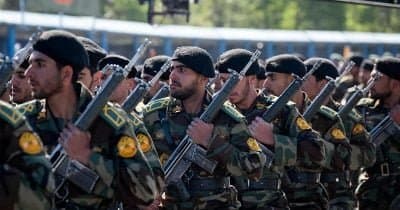
The recent escalation of military operations by the U.S. against Iranian targets marks a significant turning point in U.S.-Iran relations and raises questions about regional stability in the Middle East. Following the collapse of the ceasefire, the U.S. has conducted more than 300 strikes aimed at Iranian military sites, a level of engagement unseen since the ceasefire was initiated. This escalation is not just a military operation; it signals a re-evaluation of U.S. strategy in a volatile region.
Lt. Col. Karen Kwiatkowski, a retired U.S. Air Force officer, has pointed out that while the current military actions are extensive, the U.S. may face logistical challenges in sustaining this level of engagement. The potential for cycles of escalation and de-escalation is crucial to understanding how U.S. forces will continue to operate in the area. Supply chain issues and extended troop deployments could hinder the military's ability to maintain pressure on Iran, creating opportunities for Tehran to regroup or retaliate.
In the realm of prediction markets, these military escalations have influenced perceptions about the likelihood of a formal declaration of war by the U.S. Congress. Currently, the market indicates a 5.5% probability of a war declaration by the end of 2026, down from 6% just a week earlier. This slight dip reflects growing skepticism about the U.S. committing to long-term military involvement, even as tensions rise. The possibility of military actions against multiple nations has been pegged at 35.3%, suggesting that investors are bracing for a broadened conflict landscape.
Watching the next moves from U.S. Congress will be crucial; any push for a formal war declaration could indicate a shift toward more sustained military efforts. Furthermore, diplomatic engagements between the U.S. and Iran will be key to understanding whether further escalations are likely or if there is any chance for de-escalation. Changes in Iranian military tactics or retaliatory actions could also shape market sentiment, potentially influencing predictions about U.S. military involvement in other conflicts.
This article is for informational purposes only and should not be considered financial advice.