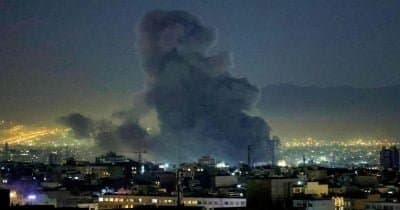
Recent U.S. military strikes in southwest Iran have significantly escalated tensions in the ongoing 2026 Iran War, resulting in one death and four injuries, according to Iranian state media. This incident underscores the increasing military confrontation between the U.S. and Iran, particularly following U.S. operations targeting over 300 sites in retaliation for Iranian attacks on commercial vessels in the crucial Strait of Hormuz.
The fatality reported includes Lieutenant Hamidreza Dehghani of the Iranian navy, marking a direct impact on Iran's military leadership and further complicating the already fragile diplomatic landscape. These developments are critical as they not only amplify the likelihood of further American military action but also heighten the risk of Iranian retaliatory responses.
Market Implications and Airspace Concerns
The repercussions of these strikes are already observable in market dynamics, with expectations of a complete closure of Iranian airspace by July 31 rising from 16% to 25% within a day. Such a shift indicates that market participants are increasingly anticipating escalated military actions, which could have substantial implications for global shipping and oil prices.
- U.S. strikes have resulted in heightened market expectations for airspace closure.
- Current pricing reflects a significant increase in perceived risk.
- Observers await official announcements from the Civil Aviation Organization of Iran.
As the situation unfolds, key factors will include any changes to U.S. military strategy or diplomatic moves involving countries like Oman. Additionally, any Iranian retaliatory measures could further destabilize the region, creating a feedback loop of military escalation and economic repercussions.
This material is informational and not financial advice.