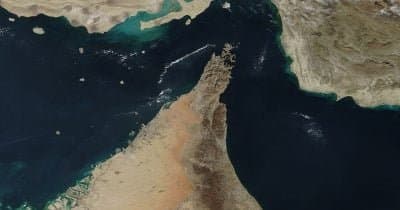
In a dramatic escalation of regional tensions, Saudi jets reportedly targeted an Iranian passenger plane attempting to land at Sanaa International Airport. While some sources suggest the incident involved direct bombing, credible reports indicate that Saudi warplanes instead sought to intercept the aircraft. The Houthi air defense systems responded by firing missiles, ultimately allowing the Iranian plane to land safely. This encounter highlights the fragile state of affairs in Yemen, where a Saudi-led coalition faces off against Iran-backed Houthi rebels, amidst broader geopolitical frictions involving Iran, Israel, and the United States.
The implications of this incident extend beyond immediate military confrontations; they resonate deeply within the financial markets. In particular, prediction markets have begun to reflect a heightened sense of uncertainty regarding Iran's airspace. The probability that Iran may close its airspace entirely has been assessed at 34% by August 31, signaling that traders anticipate possible military escalations that could disrupt air travel and commerce in the region. This speculation illustrates how conflicts can ripple through global markets, affecting everything from energy prices to investor confidence.
Market participants are closely monitoring the evolving situation, especially in light of potential official announcements from Iran's Civil Aviation Organization regarding airspace management. Any declaration regarding airspace closures or military actions could significantly alter market dynamics, potentially leading to increased volatility. Observers should also keep an eye on responses from significant global players such as the U.S. and Saudi Arabia, as their positions could influence Iran's strategic approach.
As this situation continues to develop, it serves as a stark reminder of the interconnectedness of geopolitical events and market behavior. Investors and analysts alike must remain vigilant, as the consequences of military actions in the Middle East can extend far beyond the immediate region, impacting global stability and economic conditions.
This material is for informational purposes only and should not be considered financial advice.