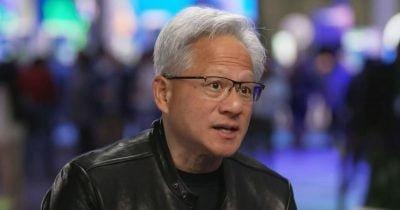
Nvidia is on the brink of a crucial moment as CEO Jensen Huang prepares to make his debut at the China International Supply Chain Expo from July 16 to 20. This event holds significant implications for Nvidia's strategy in China, a market that contributed approximately $10.31 billion to its revenue last year, equating to about 17% of the company's total earnings. As the geopolitical landscape evolves, Nvidia’s ability to maintain its foothold in China is increasingly under threat due to US export restrictions on advanced AI chips.
Huang's participation at the expo could pave the way for important discussions regarding new China-compliant products and potential partnerships aimed at mitigating the effects of these restrictions. Recently, Nvidia has sought to adapt by developing downgraded versions of its hardware specifically for China, a move that demonstrates its agility but also highlights the regulatory complexities it faces.
The Synergy Between AI and Crypto
The implications of Nvidia's strategy extend beyond its immediate business prospects; they resonate deeply within the cryptocurrency ecosystem. The advent of what is termed 'sovereign AI' where nations aspire to create their own AI infrastructure rather than relying solely on American giants suggests a new paradigm in technology investment. This shift represents a potential $1.5 trillion market, and Nvidia’s efforts to fulfill this demand could significantly enhance the compute resources available for decentralized projects.
Investors in the crypto space should monitor NVIDIA closely for several key indicators on July 16:
- Announce any new China-compliant chip developments.
- Provide insights on partnerships that outline how Nvidia plans to navigate the regulatory landscape.
- Commentary from Huang regarding the broader timeline for AI infrastructure development.
This alignment between Nvidia's hardware capabilities and the needs of emerging decentralized infrastructures underlines a broader trend where AI compute power is becoming a strategic asset. As nations invest in domestic AI technologies, decentralized alternatives are being positioned as a neutral, borderless solution, potentially disrupting traditional market landscapes.
This article is for informational purposes only and does not constitute financial advice.