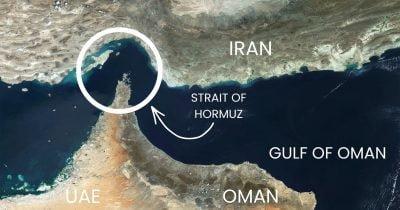
Recent developments in the Strait of Hormuz, a critical chokepoint for global oil trade, reveal a precarious balance between regional tensions and market dynamics. Despite Iran's claims of closing the waterway amidst rising hostilities with the United States, maritime traffic through the southern route remains operational, shedding light on the complexities of the current geopolitical landscape.
Understanding Iran's Strategy
The Iranian government has attempted to assert control over the Strait as a response to perceived aggressive maneuvers from the U.S. and Israel. This ongoing conflict, which escalated earlier this year, has led to heightened fears of a total blockade. However, the continued accessibility of the southern route near Oman suggests that Iran's capabilities may be more limited than its rhetoric implies. The U.S. is actively enforcing freedom of navigation in the area, conducting naval operations and responding to Iranian provocations, which adds another layer of complexity to the situation.
Market Reactions and Future Implications
Market sentiment appears to be shifting, influenced by these geopolitical dynamics. Recently, shares related to traffic normalization in the Strait of Hormuz have seen a decline, dropping from 36% to 17.5% confidence over the past week. This diminishing confidence is indicative of broader concerns regarding the stability of maritime operations in the region. Investors are closely monitoring any announcements from Iranian or U.S. leadership that could signal a change in the status of the Strait. A formal reopening or a peace agreement could help restore market confidence, while any militaristic escalations might reinforce skepticism about a swift return to normalcy.
- Continued U.S. naval presence supports open shipping lanes
- Market participants are watching for live vessel updates
- Future developments could significantly impact oil prices
As the situation evolves, the outcomes will likely ripple through global markets, especially the oil sector. The ability of the Strait to remain open is crucial not only for oil trade but also for the broader economic relations tied to Middle Eastern stability. Navigating these waters will require vigilance from investors and traders alike, as geopolitical tensions can shift rapidly.
This article is for informational purposes only and should not be considered financial advice.