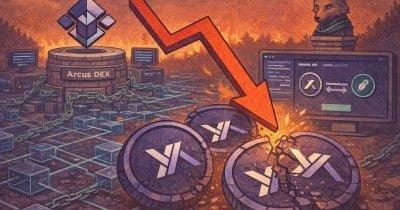
The recent crash of LAB tokens, precipitated by a significant sell-off by insiders, offers critical insights into the risks associated with token supply management. LAB Trade insiders reportedly dumped 18.4 million tokens worth approximately $18.3 million, causing the price to plummet from $1.20 to $0.55. This dramatic decline reflects a staggering 96% drop from its peak value of nearly $17 earlier this month.
ZachXBT, an on-chain investigator, highlighted that insiders control over 95% of LAB's total supply. Such concentrated ownership raises alarms, as it signals that a small group can manipulate prices considerably. The sale occurred on Aster decentralized exchange, where the insider-linked cluster managed to extract value before the inevitable price crash. Post-dump, this cluster retained around 81.5 million LAB tokens, maintaining a sizable potential for further market influence.
Understanding the Implications for LAB Investors
Current holders of LAB tokens face dire circumstances as this sell-off has nearly obliterated the token's market value. The remaining 81.5 million tokens in the insider-controlled wallet cluster could suppress any hopeful price recovery, as more selling pressure may follow. Moreover, coordinated transfers of 226 million tokens to centralized exchanges like Bitget point to the potential for further market disruption.
Investors must remember the importance of assessing token supply distribution before making investment decisions. Tools such as Arkham and Nansen can provide transparency regarding wallet distributions, helping investors avoid situations where they essentially become exit liquidity for insiders. If a majority of a token's supply is concentrated in a few addresses, the likelihood of price manipulation increases, making it essential to approach these investments with caution.
Lessons from the LAB Episode
The LAB situation serves as a cautionary tale on the perils of investing without thorough research into tokenomics. Higher concentration of supply in insider hands not only poses a risk to the investment but also undermines potential community trust in the project. For broader market participants, this incident underscores the necessity of due diligence in crypto investments and highlights the critical need for mechanisms that promote fair distribution of tokens.
This article is for informational purposes only and is not financial advice.