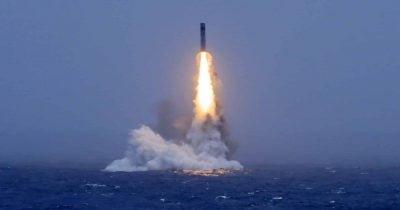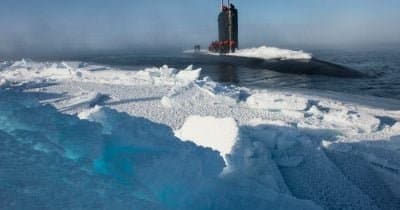
The recent statements by Navy Chief Daryl Caudle regarding NATO’s expanded naval role highlight critical developments in military strategy amid rising tensions in the Arctic and broader sea lanes. His endorsement of autonomy in naval operations aligns with NATO's strategic pivot towards maritime deterrence, particularly in response to the militarization efforts of Russia and the growing influence of China over global shipping routes.
Strategic Implications of NATO's Maritime Focus
Caudle's comments underscore a significant shift towards reinforcing NATO's naval alliances, emphasizing a defensive posture in the face of great-power competition. This approach suggests that NATO is adapting to the evolving security landscape, where autonomous systems and advanced technologies will play a crucial role in maintaining maritime security. The recent emphasis on these elements reflects NATO's 2022 Autonomy Implementation Plan, which aims to enhance technological adaptation within member states.
Moreover, the focus on Arctic competition and the security of vital sea lanes signifies an urgent need for readiness among NATO allies. As tensions escalate due to increased military activities from Russia and China's strategic maneuvers, the alliance's maritime capabilities are being scrutinized. This readiness could serve as a deterrent, but also risks escalating confrontations if mismanaged.
Monitoring Future Developments
Observers should pay close attention to NATO’s strategic initiatives, particularly in the Arctic region. Potential shifts in military readiness and response strategies will be critical to watch, especially in light of any possible military engagement with Russia or China. Currently, prediction markets indicate a 5.5% likelihood of a U.S.-Russia military clash by the end of 2026, and any changes in NATO's posture could significantly influence these odds. Should NATO enhance its maritime focus, this might provoke stronger reactions from both Russia and China, further complicating an already delicate geopolitical situation.
- NATO's naval alliances are being reinforced amid rising tensions.
- Emphasis on autonomy and technology reflects a shift in military strategy.
- Global sea lane security is a priority due to increased militarization.
This analysis is for informational purposes only and does not constitute financial advice.