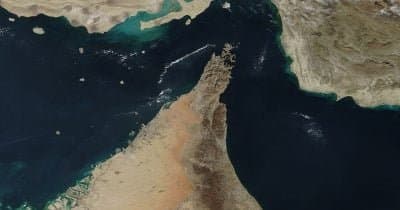
Iran has taken a strong stance, refusing to pay for ship passage through the Strait of Hormuz, labeling certain nations as “enemies.” This declaration, reported by the Iranian state news agency IRNA, underscores the escalating tensions in the region, particularly given Iran's assertive control over maritime access amid ongoing conflicts with the U.S. and Israel.
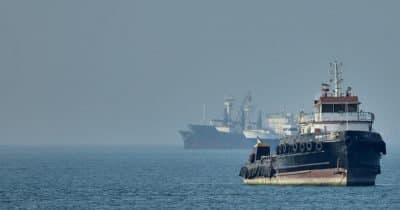
The situation in the Strait of Hormuz is critical for international shipping and energy supplies. As Iran tightens its maritime policy, shipping traffic has diminished, which has contributed to rising oil prices. Markets are reacting to this assertiveness, interpreting it as a signal of Iran's commitment to a hardline approach, which complicates existing nuclear negotiations.
Market Reactions and Probabilities
This aggressive maneuvering has implications for the broader negotiating landscape between the U.S. and Iran. Current pricing in prediction markets indicates a starkly low probability of a successful nuclear deal by the July 31, 2026 deadline, with only a 0.9% likelihood of agreement. Although there are slight increases in longer-term predictions, skepticism remains largely entrenched.
The market’s cool reception of the prospect for a deal reflects a widespread belief that prolonged geopolitical tensions are likely to persist. Iran’s recent actions align with expectations where negotiations yield little progress, raising the stakes for all involved parties.
Future Considerations
As the situation develops, it will be crucial to watch for any shifts in Iran’s maritime policies, as well as responses from the U.S. and its allies. Key statements from influential figures such as Iran's Supreme Leader Khamenei or U.S. President Trump could provide insights into the prospects for negotiation. Additionally, any changes regarding Iran's nuclear activities or potential diplomatic engagements will significantly influence market dynamics and perceptions surrounding a nuclear deal.
This content is informational and should not be considered financial advice.