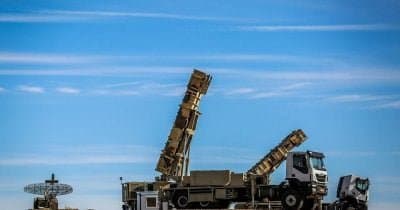
Iran’s military reported intercepting a one-way attack drone in its northwest on July 21, amid ongoing direct conflict with Israel. This event punctuates escalating hostilities that began with Israeli airstrikes targeting Iranian positions, resulting in casualties on both sides. The drone downing follows previous interceptions of U.S. MQ-9 Reaper and Israeli reconnaissance drones, underscoring Iran’s heightened air defense capabilities.
Implications for Regional Security and Market Perceptions
The interception is not an isolated tactical event but a signal of Iran’s increasing military readiness and willingness to counter aerial incursions aggressively. It amplifies the risk of broader military escalation, especially as prediction markets have adjusted sharply: the probability of Iran undertaking military action against a Gulf state rose to 62% on July 21 from 46% just a day earlier. This jump reflects heightened geopolitical risk perception that directly influences market volatility across energy, defense, and currency sectors.
Leadership and Strategic Direction Under Close Watch
Iran’s Supreme Leader Ali Khamenei and IRGC Commander Hossein Salami remain key actors in shaping the conflict’s trajectory. Their public statements and military directives are scrutinized for signs of escalation or de-escalation. The drone interception adds complexity as it may provoke retaliatory measures or embolden further strikes. The potential involvement of Gulf states, such as Saudi Arabia or the UAE, could broaden the conflict’s regional footprint and impact diplomatic efforts, influencing market sentiment and risk pricing.
Given the rapid evolution of events, any shifts in Iran’s military posture or emerging ceasefire talks could abruptly alter geopolitical dynamics. Investors and analysts must remain vigilant to these developments, as they bear significant consequences for regional stability and associated economic indicators.
This material is informational and does not constitute financial advice.