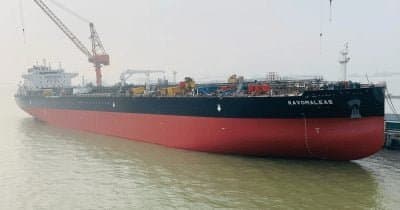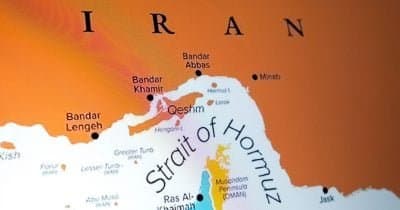
"The United States is leveraging regional grounds to expand hostilities," stated Esmaeil Baghaei, Iranian Foreign Ministry spokesman, signaling a new phase in the ongoing conflict entwining Tehran, Washington, and Tel Aviv. This accusation shows growing geopolitical maneuvering after the collapse of a fragile ceasefire, which has already triggered a series of military strikes including U.S. assaults on Iranian installations and Iranian retaliation against American targets and commercial vessels navigating the Strait of Hormuz. The significance of this accusation goes beyond political rhetoric; it directly affects market confidence around one of the world?s most vital oil shipping corridors.
Market data around the Strait of Hormuz highlights a dim prospects scenario. The odds of a normalization in maritime traffic by August 31 linger at a mere 15.5%, reflecting skepticism around easing tensions. This market sentiment mirrors the persistent military exchanges and Iran?s warnings to neighboring states not to partake in U.S. operations, contributing to anticipated prolonged instability. The Strait?s role as a critical chokepoint for global oil transit means disruptions here ripple through energy prices and supply chains worldwide. Traders and investors now price in heightened risk and volatility stemming from regional uncertainty, signaling that any shift in the strategic balance could create sharp market reactions.
Oil and commodity markets are particularly sensitive to these developments, as restricted traffic or escalated conflict might exacerbate supply concerns. Energy sectors must account for the possibility of sustained or intensified disruptions, which would amplify price fluctuations and liquidity risks. This environment also weighs on geopolitical risk premiums embedded in trading strategies focused on stable energy supplies. Observing diplomatic negotiations, military activity, and official statements remains key. Any move either towards de-escalation or further confrontation will sharply recalibrate market expectations.
The unfolding tension at the Strait of Hormuz acts as a reminder of how geopolitical flash points can swiftly evolve to unsettle global markets, necessitating sophisticated risk management and scenario planning from investors. For instance, a renewed naval blockade by the U.S. could reshape global oil markets dramatically, as detailed in recent analysis. The interplay of military action and market response here exemplifies the complex interdependencies in play for traders and policymakers alike.
This material is informational and does not constitute financial advice.