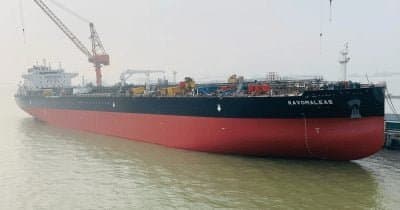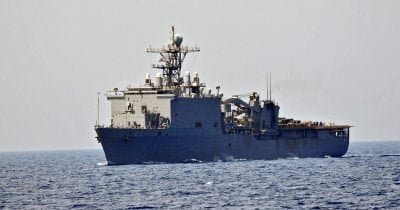
Since July 14, 2026, the United States has reinstated a naval blockade targeting Iran in the Strait of Hormuz, a chokepoint responsible for about 20% of the world's oil shipments. This strategic move follows the breakdown of U.S.-Iran peace negotiations and escalating tensions, marking a sharp shift in regional dynamics. The blockade imposes a 20% toll on Iranian cargo vessels while permitting vessels from other countries to pass, a measure that directly impacts Iran's oil export capabilities.
Market Reactions and Geopolitical Implications
The Strait of Hormuz is critical for global energy security, making this blockade more than a regional conflict issue. Investors and traders are recalibrating their expectations amid fears of supply bottlenecks. Prediction markets show a marked decline in the probability of the blockade lifting by late July, dropping to just 4.9% for July 24. Concurrently, expectations for West Texas Intermediate (WTI) crude prices to surge have risen, indicating that market participants price in the risk of constrained oil flows.
These developments could ripple beyond oil prices. Prolonged disruption risks triggering broader market volatility given the interconnectedness of energy supplies and economic activity worldwide. The blockade also reduces the odds of normalized shipping traffic through the Strait by the end of August to 15.5%, underscoring persistent uncertainty around regional stability.
Energy markets will closely monitor any shifts in U.S.-Iran diplomatic engagements or escalations, alongside OPEC+ production policies adjusting to potential shortfalls. Statements from President Trump or Iranian officials could swiftly move market sentiment. The potential for extended supply constraints may prompt strategic hedging or diversification efforts among oil-importing nations, influencing global supply chains and commodity markets.
This article provides informational analysis and should not be interpreted as financial advice.