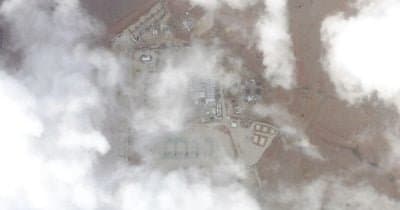
Two American service members were killed and another went missing after an Iranian missile strike hit the Muwaffaq Salti Airbase in Jordan, marking a grim milestone in the escalating conflict between the United States and Iran. This base has now become a frontline with direct Iranian fire resulting in US casualties for the first time since the 2026 Iran war erupted in February. The incident signals a dangerous intensification, with the United States immediately launching retaliatory airstrikes targeting Iranian Revolutionary Guard facilities and key energy infrastructure.
This escalation follows the collapse of a ceasefire earlier this month, showcasing how fragile peace efforts have been amid growing hostilities. Iran's decision to strike a foreign military base located in an allied country like Jordan indicates a strategic move to pressure US presence in the region and potentially shift the balance in its favor. For the US, the response is both a demonstration of resolve and an attempt to deter further Iranian aggression.
Market Impact and Airspace Closures
Financial and geopolitical analysts are closely monitoring how these escalations affect regional airspace security. Markets initially priced in a higher chance of Iran executing a full airspace closure by late July, but recent assessments show a slight dip in July closure odds while the probability for an August closure remains elevated. This suggests market participants anticipate a protracted period of tension, with Iran possibly using airspace control to use its regional strategy further.
The closure of Iranian airspace would disrupt commercial and military flights, reverberating through global supply chains and energy markets given Iran’s geographic significance. Airlines and trading desks are anxiously awaiting announcements from Iran’s Civil Aviation Organization to gauge the coming operational landscape.
Broader Strategic Consequences
This incident and ensuing retaliations contribute to a cycle of violence that risks pulling neighboring countries deeper into the conflict. Jordan, hosting US troops on its soil, emerges as a more vulnerable strategic node. The US military's choice to strike Revolutionary Guard assets highlights its intent to degrade Iran’s war capabilities but also risks provoking heightened Iranian asymmetrical responses.
For investors and market watchers, these developments increase uncertainty across Middle Eastern energy routes and global commodity prices. The danger of expanded conflict introduces volatility not only in regional equities but also in broader macro risk assessments. US policy changes related to Iran’s nuclear program deepen these concerns by reshaping how market participants price geopolitical risk.
This material is informational and does not constitute financial advice.