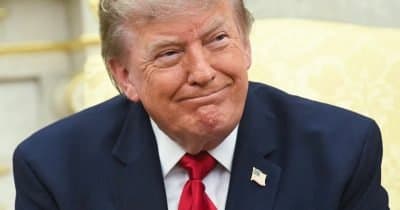
The US administration’s reported moderation on Iran’s nuclear missile ambitions introduces a new layer of uncertainty into an already strained geopolitical environment. This pivot challenges previous hawkish stances taken from mid-2025 through mid-2026, when the US demanded a full halt to uranium enrichment and openly considered military options. Such a strategic recalibration reshapes risk models for global markets, particularly in oil and safe-haven assets.
From Hawkish Posture to Ambiguity
Donald Trump’s earlier approach prioritized strong containment: aggressive demands to stop uranium enrichment and reliance on Israeli intelligence assessments marked a hardline policy. Negotiations during that period aimed to make Iran’s nuclear program "verifiably harmless," including talks about relocating enriched uranium stockpiles. This signaled a commitment to maximum pressure and containment rather than détente.
The sudden policy softening suggests a shift in US priorities or a recalibration of geopolitical calculations. Markets now face increased unpredictability: the risk of misinterpretation or mixed signals from Washington could prompt volatility in oil futures, equity indices, and bond yields. This is especially key given how intertwined Middle East stability is with global energy supply chains.
Ripple Effects Across Markets and Crypto
Traditional indicators like the VIX volatility index and treasury yields are likely to respond promptly to changes in the geopolitical risk premium. Oil futures may react particularly sensitively, as any perceived easing or escalation around Iran affects supply risk.
Bitcoin’s historical reaction to geopolitical shocks has been inconsistent it sometimes acts as digital gold, benefiting from uncertainty, yet other times it tracks risk assets downward. crypto-native media and products remain detached from direct nuclear policy influence, as there are no crypto protocols or tokens linked to Middle Eastern nuclear matters.
However, sanctions have nudged nations like Iran toward alternative financial systems, including past experiments with Bitcoin mining to bypass restrictions. This dynamic could subtly influence crypto adoption patterns in sanctioned regions over the medium term.
Investors should monitor traditional macro risk signals closely, as crypto markets often follow broader sentiment with some delay. This episode shows how geopolitical shifts, even if not immediately crypto-specific, ripple through financial ecosystems and require active reassessment of risk frameworks.
This material is informational and not financial advice.