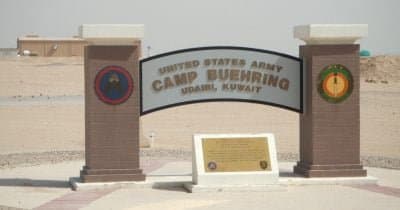
The recent Iranian attack on U.S. military facilities at two bases in Kuwait, including the strategically important Ali Al Salem Air Base, marks a notable shift in Tehran’s approach to its conflict with Washington. By targeting forward operating bases within Gulf states rather than limiting its actions to areas near the Strait of Hormuz, Iran is expanding the geographic scope of its military pressure. This escalation introduces new dynamics that could destabilize an already fragile regional balance.
Strategic Implications of Targeting Kuwait Bases
Iran’s decision to expand attacks to Kuwait reflects a deliberate attempt to undermine U.S. air and drone operational capacity in a wider swathe of the Gulf region. Ali Al Salem Air Base serves as a critical hub for U.S. military logistics and air operations. Damaging such infrastructure not only disrupts immediate operational capabilities but signals to regional actors that Iran is willing to extend the battlefield beyond the narrow confines of direct Strait of Hormuz confrontations.
This move may escalate tensions with Gulf states hosting U.S. forces, forcing them into more precarious positions in balancing their relationships with both Washington and Tehran. It also raises the possibility of more frequent and diverse military engagements, which the markets have already started pricing in, with an increased probability of further Iranian operations expected on July 20 and 22. The heightened risk could affect regional security protocols and prompt U.S. forces to adjust their posture and deployment strategies.
Market and Geopolitical Consequences
The attack contributes to growing uncertainty affecting both geopolitical risk assessments and energy markets. Gulf stability is key for global oil supply routes. Any escalation could pressure oil prices higher, extending repercussions beyond regional borders to impact global markets. Investors in energy and geopolitical risk-sensitive assets should closely monitor developments, as further Iranian offensives against U.S. facilities may intensify market volatility.
Observers will be watching for confirmation of Iran’s claims and the U.S. response. How Washington chooses to react may determine if this confrontation remains limited or escalates into wider conflict. The tactical choice of targets in Kuwait versus direct Iranian soil or naval engagements suggests Iran aims to use asymmetric advantages without initiating full-scale war. The consequences for regional security architecture, including the willingness of Gulf states to host U.S. forces, could be profound.
This material is informational and does not constitute financial advice.