The recent announcement by the Iranian Revolutionary Guard Corps (IRGC) claiming the destruction of U.S. support infrastructure at Oman’s Duqm port marks a significant escalation in the ongoing military tensions between Iran, the United States, and their respective allies. This development is not merely a tactical victory for Iran; it represents a pivotal moment in the broader geopolitical landscape of the Middle East.
Strategic Significance of Duqm Port
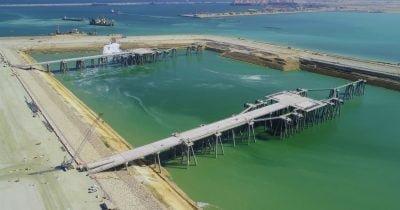
Duqm port serves as a crucial logistical hub for U.S. Navy operations in the region, facilitating the movement of troops and supplies. The IRGC's actions highlight their capability to target U.S. assets effectively, which could undermine U.S. military operations and influence in the area. This escalation follows a series of U.S.-Israeli strikes on Iranian positions earlier this year, suggesting that the conflict has moved into a more aggressive phase.
Market Reactions and Implications
The market response to this announcement has been swift, with trading indicators reflecting a dramatic increase in the likelihood of successful Iranian disruptions of shipping activities. As of July 12, market analysts noted a 93% probability of such disruptions occurring, a stark reminder of the volatility that geopolitical tensions can introduce to global markets. Investors should brace for potential supply chain disruptions and rising oil prices, which often correlate with instability in the Gulf region.
Moreover, the implications of this development extend beyond immediate market reactions. Should the U.S. or allied forces confirm damage to their infrastructure at Duqm, it could lead to a recalibration of military strategies and responses from both sides. Observers should remain vigilant for any retaliatory actions from the U.S. or further announcements from the IRGC, as these could significantly alter market perceptions and expectations.
Potential Consequences for Broader Conflict Dynamics
The escalation at Duqm port raises critical questions about the future of U.S.-Iran relations and the stability of the region. If Iran continues to demonstrate its ability to disrupt U.S. operations, it could embolden further aggressive actions by Tehran while simultaneously constraining U.S. military options. This would not only affect military strategies but could also impact diplomatic negotiations, as seen in the context of Iran's firm stance on future U.S. negotiations.
As the situation develops, market participants and geopolitical analysts alike must keep a close watch on the evolving dynamics, as any miscalculations could lead to wider conflict and significant economic repercussions.
This article is for informational purposes only and does not constitute financial advice.