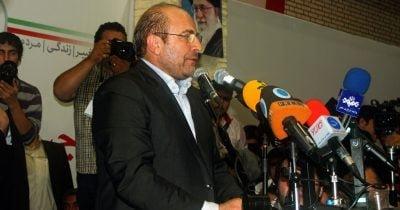
In a significant development, Iran’s chief negotiator Mohammad Baqer Qalibaf has declared an end to the era of one-sided agreements, urging other negotiating parties to uphold their commitments. This assertion comes at a critical juncture in US-Iran relations, particularly following the tumultuous events of the 2026 Iran war. As diplomatic discussions progress under the auspices of the Islamabad Memorandum, which aims to establish a preliminary ceasefire, unresolved issues surrounding Iran's nuclear ambitions continue to loom large.
The implications of Qalibaf's statement cannot be understated. By demanding reciprocal commitments, Iran is signaling a shift towards a more assertive position in negotiations. This change may lead to increased tensions, particularly as market observers interpret these developments as indicators of a potentially harder stance from Iran. Such sentiments are reflected in market pricing, where confidence in a favorable US-Iran deal is waning, as evidenced by a decrease in the probabilities associated with positive outcomes.
Moreover, Qalibaf's remarks point to Iran's growing dissatisfaction with what they perceive as unilateral demands. This dissatisfaction could significantly alter the dynamics of ongoing negotiations, creating further obstacles to reaching a comprehensive agreement. As both sides navigate this complex landscape, the stakes remain high, not only for regional stability but also for global markets.
Looking ahead, market participants will be closely monitoring upcoming diplomatic engagements for any signs of progress or setbacks. Key indicators for assessing the health of negotiations will include announcements related to sanctions relief and the potential release of Iranian assets, developments that would align with optimistic scenarios. Conversely, any signs of escalated military activities or unmet conditions could exacerbate existing tensions and diminish the likelihood of a favorable agreement.
Statements from influential figures, particularly from US President Trump and Iranian officials, will also be scrutinized for indications of shifting strategies. As the situation unfolds, the implications for both regional dynamics and broader market conditions remain profound, demanding vigilance from investors and analysts alike.
This article is for informational purposes only and should not be considered financial advice.