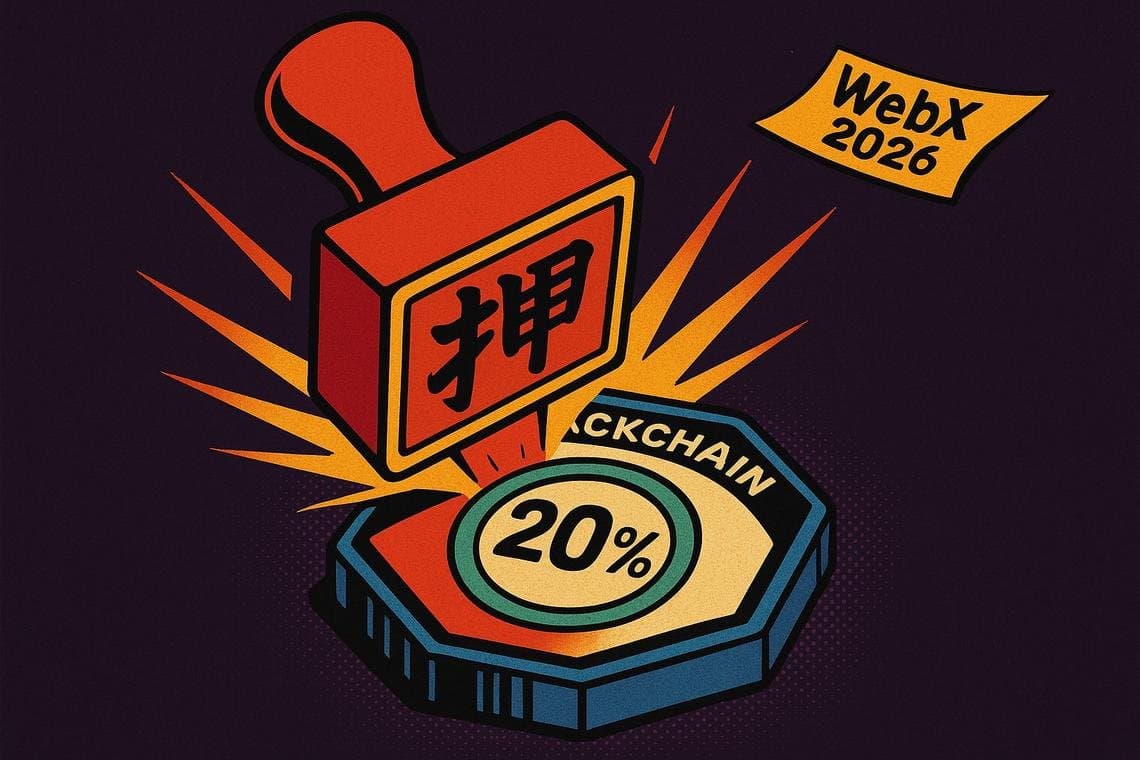
Japan's recent strategic push towards Web3 investment signifies a pivotal moment for the nation's economic landscape. During the WebX 2026 conference, Prime Minister Sanae Takaichi reiterated the government's commitment to nurturing startups and Web3 enterprises, emphasizing the sector's importance as part of Japan's broader innovation strategy. This commitment is not just rhetoric; it reflects a bipartisan recognition of Web3's potential to transform the economy.
The government's goal of attracting approximately 10 trillion yen in annual startup investment by fiscal 2027 is ambitious. This plan includes aspirations to cultivate 100 unicorn companies and foster 100,000 startups, marking a significant shift in Japan's economic development strategy. However, the effectiveness of this plan hinges on the ability of Japanese institutions to translate these goals into actionable outcomes.
The Tax Reform: A Game Changer for Crypto Investments
A crucial element of this initiative is the proposed reduction of the cryptocurrency tax rate from 55% to a more competitive 20%. This reform is designed to align the taxation of cryptocurrencies with that of traditional equities, thereby incentivizing both individual and institutional investors to engage more actively in the crypto market. If implemented by 2028, this could catalyze a surge in investment, positioning Japan as a leading hub for cryptocurrency innovation.
The Role of Private Capital and Industry Support
While the government outlines its vision, private sector participation is already underway. Financial conglomerate SBI Holdings is making significant crypto investments, indicating that market players are not waiting for regulatory clarity before committing capital. Additionally, initiatives like the grants from Ripple and Web3 Salon, which offer up to $200,000 to Japanese teams developing on the XRP Ledger, demonstrate growing support for projects that emphasize payments, asset tokenization, and decentralized finance.
Despite these positive developments, Takaichi’s address at WebX 2026 did not announce any new funding mechanisms or immediate regulatory adjustments, which raises questions about the government's capacity to execute its ambitious plans. The absence of a concrete policy unveiling might suggest that while the vision is clear, the path to realization remains uncertain.
As Japan navigates this complex landscape, the interplay between governmental ambition and private sector dynamism will be crucial. The success of this Web3 initiative could significantly influence the global crypto market, potentially attracting international investments and fostering innovation. Investors should remain vigilant as developments unfold, as the implications of these changes could reshape the investment landscape in the coming years.
This material is informational and should not be considered financial advice.