The XRP Ledger (XRPL) is increasingly being recognized for its potential beyond merely facilitating payments. The focus is now shifting towards its capacity for tokenization, which is drawing substantial interest from the institutional finance sector. This transition is not merely about enhancing transaction speed or reducing costs; it represents a fundamental shift in how assets can be managed and transferred within a regulated environment.
Institutional Appeal of XRPL's Unique Framework
One of the most significant advantages of the XRP Ledger is its ability to issue tokens natively within its protocol. This structural feature eliminates the need for smart contracts, which are often fraught with vulnerabilities and complexities. By handling token issuance at the ledger level, XRPL minimizes the risks typically associated with coding errors in contract logic, a concern that has plagued many other blockchain platforms. This aspect is crucial for institutional investors who prioritize stability and risk management.
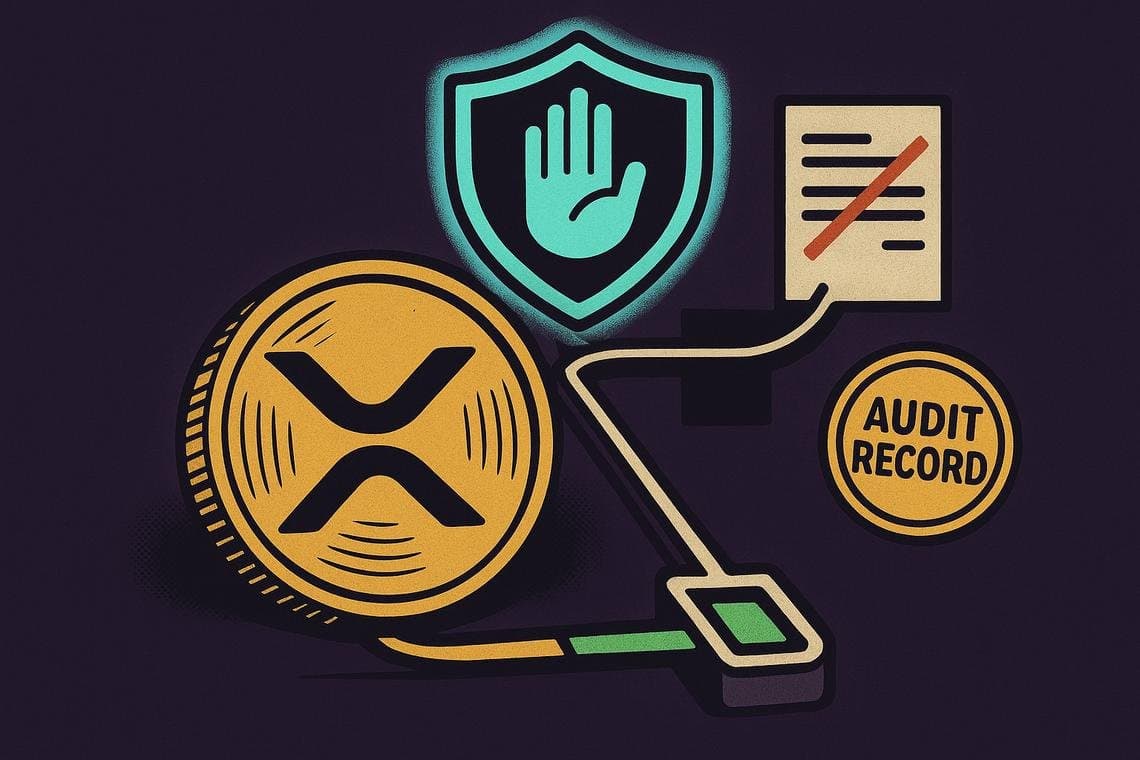
Moreover, XRPL is equipped with built-in compliance features that cater to the stringent requirements of regulated financial environments. These include:
- Authorization controls
- Transfer restrictions
- Audit-ready records
Such compliance capabilities enhance the trust that institutional players can place in the platform, making it a more appealing option for asset managers looking to issue and manage digital assets.
Implications for the Future of XRP and Institutional Investments
Ripple's documentation positions tokenization as a key growth engine alongside its established business in cross-border payments. This shift could redefine the XRP ecosystem’s trajectory, positioning it as a serious contender in the institutional asset issuance space. As financial institutions begin to explore these capabilities, the fundamental architecture of XRPL could serve as a vital asset in their digital transformation efforts.
In conclusion, the evolution of the XRP Ledger into a tokenization platform could unlock new avenues for institutional finance, potentially leading to increased adoption and investment in the ecosystem. With the ability to settle transactions in a matter of seconds at minimal costs, the XRPL stands poised to revolutionize how assets are managed and transferred in a compliant and secure environment.
This material is informational and should not be considered financial advice.