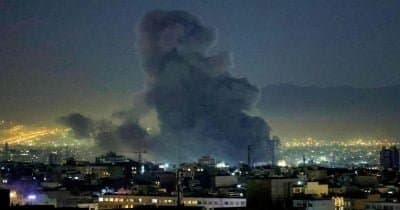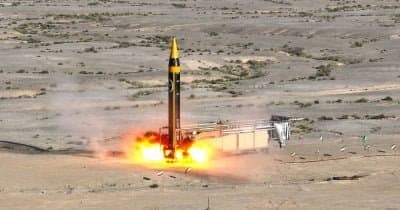
Iran has escalated its military posturing by launching at least 12 missiles aimed at the Muwaffaq Salti Airbase in Jordan, a pivotal facility jointly operated with the U.S. This aggressive act adds a new layer of complexity to the already strained relations between Washington and Tehran amid stalled negotiations over a new nuclear deal.
This airbase is not just another military installation; it serves critical roles including housing advanced F-35 fighter jets and functioning as a command center for U.S. operations in the region. The significance of this strike cannot be overstated, as it symbolizes Iran's willingness to leverage military might in response to perceived threats and grievances surrounding its nuclear ambitions. The ongoing conflict has heightened fears of military escalation, potentially jeopardizing the fragile diplomatic efforts aimed at reaching an agreement by the upcoming deadlines.
Market reactions indicate a marked decrease in confidence regarding a successful U.S.-Iran nuclear deal. Predictions for approval of the agreement have dropped to just 2.8% by August 13, 2026, reflecting a growing sentiment that the geopolitical climate is increasingly unfavorable to successful negotiations. Investors are keenly aware that continued military aggression from Iran could further derail diplomatic efforts, making any resolution even less likely.
As observers look towards key figures such as President Trump and Iran’s Supreme Leader Ali Khamenei for reactions, any statements regarding the negotiations will be scrutinized for clues about the future. The potential for additional military confrontations or retaliatory strikes adds a layer of uncertainty that could alter market dynamics significantly. The implications of U.S. military actions in this context further complicate the prospect of a harmonious resolution.