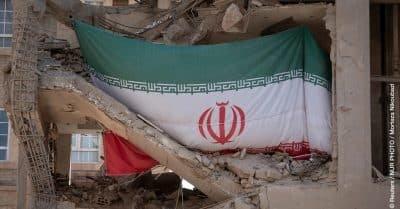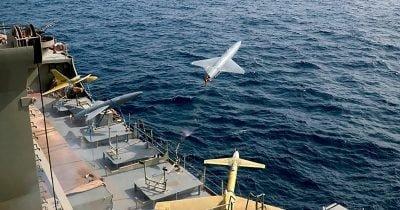
The recent missile and drone attacks launched by Iran against US Navy warships in the Strategic Sea of Oman represent a pivotal moment in the ongoing conflict between the two nations. As reported by Fars, this escalation marks a notable departure from previous encounters focused primarily on commercial shipping, raising serious concerns about the implications for maritime security and regional stability.
The Significance of This Incident
This provocative action is significant for several reasons:
- It directly targets US military assets, indicating a shift in Iran's strategy from harassing civilian shipping to openly challenging military operations.
- The attacks coincide with heightened US naval blockade measures of Iranian ports, exacerbating the tension in the region.
- Market reactions suggest a growing perception among investors that Iran's capabilities for successful military engagement are increasing, potentially reshaping energy prices and related sectors.
Given the current geopolitical landscape, market participants are viewing these developments with heightened caution. The increased military engagement between the US and Iran could mean volatility for global oil markets, potentially impacting broader economic conditions.
Anticipated Market Reactions
The pricing mechanisms in related markets appear to reflect a consensus view that the likelihood of further confrontations has risen, with market activity hinting at expectations of Iran's ability to effectively target shipping routes.
Observers of this situation should remain alert for any official responses from both the US Central Command (CENTCOM) and Iranian military officials, as these could influence market sentiment significantly. Additionally, ongoing naval operations and the potential for retaliatory actions will be essential in gauging the evolving landscape in the region.
Future Implications and What to Monitor
As this situation unfolds, investors should monitor several key indicators:
- Developments in military engagements or diplomatic efforts aimed at de-escalation.
- Official statements from military leadership that could shape perceptions about the current conflict.
- The trajectory of oil prices, which is closely linked to the stability of maritime operations in the region.
Given the interconnectedness of military conflict and global markets, these dynamics are poised to have far-reaching consequences for investor strategies and energy pricing.
This material is for informational purposes only and does not constitute financial advice.