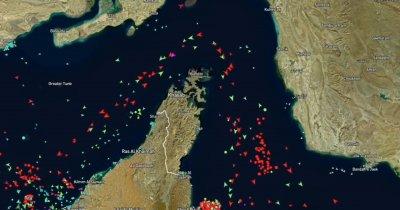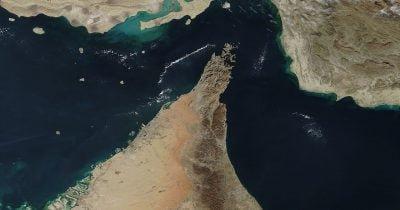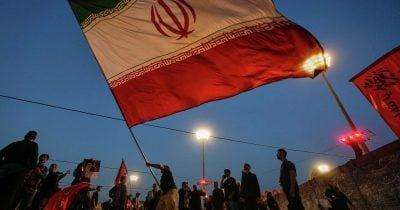
A senior Iranian official has recently refuted claims that the country blamed a rogue military faction for an attack on commercial shipping in the strategic Strait of Hormuz. This denial comes amid escalating tensions between Iran and the United States, particularly following allegations that the Islamic Revolutionary Guard Corps (IRGC) was responsible for attacking a Cyprus-flagged vessel, thereby violating a ceasefire agreement. The Iranian official characterized the reports suggesting internal discord as a part of a disinformation campaign orchestrated by the White House.
The implications of this denial are significant. As the Strait of Hormuz remains a vital conduit for global oil shipments, any perception of instability can influence market dynamics. Currently, market pricing reflects a growing skepticism regarding the expected normalization of traffic through the Strait by the end of August. Investors are likely to be wary, particularly as they assess the broader geopolitical landscape surrounding Iran's military actions and its relationship with the U.S.
Furthermore, the Iranian narrative emphasizes that its military actions are consistent with national security interests. This assertion is crucial as it seeks to align the public perception of these incidents with a unified national strategy, countering suggestions of internal conflict or rogue elements within the Iranian military. The ongoing tension illustrates how narratives can shape market confidence and investor sentiment.
Looking ahead, observers are advised to monitor forthcoming announcements from Iranian leadership, including potential statements from the Supreme Leader or President. These communications will be pivotal in shaping perceptions about the Strait's accessibility. Additionally, U.S. responses and any shifts in military strategy could also affect whether the Strait returns to normal operational traffic. Investors should remain vigilant for signs of either de-escalation or further conflict, as these developments will play a crucial role in influencing market pricing and overall stability in the region.
This material is for informational purposes only and should not be considered financial advice.