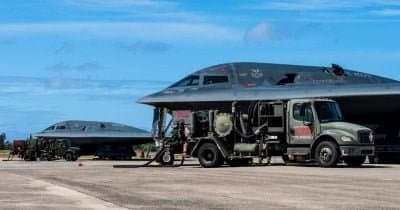
The enhancement of B-2 bomber operations in Hawaii, particularly with the introduction of hot-pit refueling capabilities, marks a significant shift in U.S. military strategy. This initiative allows these stealth bombers to remain operational for extended periods, thereby increasing their effectiveness in the Indo-Pacific theatre. The ability to refuel without shutting down engines significantly bolsters the U.S. military's readiness and operational reach in an area increasingly challenged by China's growing military ambitions.
Strategic Implications for U.S. Military Presence
Hawaii's designation as a forward-deployed operational hub reflects a broader U.S. strategy of distributed deterrence against potential threats from China, especially concerning the ongoing tensions surrounding Taiwan. With the B-2s positioned closer to the First Island Chain, the operational flexibility and rapid response capabilities of the U.S. forces are greatly enhanced. This positioning not only reduces the dependence on mainland bases but also signals a readiness to engage in a more dynamic military posture in response to potential conflicts.
Market Reactions and Geopolitical Signals
Market reactions to these developments have been telling, particularly in relation to the perceived likelihood of a Chinese invasion of Taiwan. Odds have shifted slightly to 10.5%, indicating a complex evaluation of the geopolitical landscape. Investors are likely attuned to the implications of this military upgrade, which could alter the balance of power in the region. Moreover, any further military movements or statements from the U.S. Indo-Pacific Command, alongside responses from China and Taiwan, will serve as critical indicators of the evolving situation.
This material is informational and not financial advice.