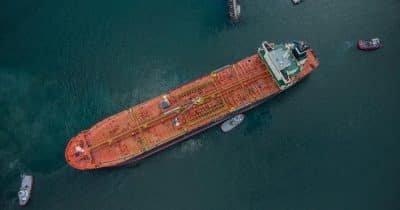
The recent drone strike on the Saudi oil tanker Barakah in the Strait of Hormuz has not only intensified geopolitical tensions between Iran and the UAE but also fundamentally impacted the dynamics of oil pricing and cryptocurrency usage in the region. Following the attack, Brent crude surged over 3.4% to highly significant levels over $112 per barrel, underlining the volatile nature of oil markets in response to regional crises.
Significance of the Incident for Global Markets
The importance of this strike is magnified given the Strait of Hormuz's role as a critical chokepoint for global oil transit, through which approximately 20% of the world's traded oil flows daily. The UAE's swift condemnation labeled the incident as a 'terrorist attack,' emphasizing the broader implications for regional stability and international economic dynamics. Such an escalation can lead to:
- Increased oil prices affecting global economic stability.
- Strained diplomatic relations among Gulf nations.
- A potential ripple effect on cryptocurrencies linked to energy transactions.
With oil prices already elevated due to previous tensions, every incident in this region is a cause for market recalibration and investor concern. Such volatility raises questions for traders, particularly about the sustainability of price levels influenced by geopolitical factors.
Bitcoin's Emerging Role in Energy Markets
Compounding the situation is Iran's new strategy of imposing fees for oil transits in Bitcoin, reportedly set at around $1 per barrel. This approach, initiated in April 2026, allows Iran to leverage cryptocurrencies to bypass traditional banking sanctions, marking a notable shift in how oil transactions might be conducted. While it remains unclear if this toll is consistently enforced or merely a strategic assertion, its implications could be far-reaching:
- Establishment of a Bitcoin market driven by oil volumes.
- Potential regulatory challenges for shipping companies engaging in such transactions.
- A shift towards a cryptocurrency framework in global energy markets.
The integration of cryptocurrency into oil transactions signals a remarkable intersection of energy geopolitics and financial innovation, suggesting that nations under sanctions might increasingly utilize digital currencies as a workaround.
Looking Ahead: Key Developments to Watch
As the situation unfolds, it is crucial to monitor how these developments will influence both the energy and cryptocurrency markets. The following factors will be significant:
- Continued geopolitical dynamics and potential further threats in the Strait of Hormuz.
- Iran's enforcement of Bitcoin transit fees and the level of compliance from global shipping entities.
- Responses from other Gulf states regarding Iranian policies and potential economic repercussions.
These aspects may significantly alter investor perceptions of both oil and cryptocurrency markets in the near term.
This material is for informational purposes only and is not financial advice.