The recent release of missile launch footage by Iran’s Islamic Revolutionary Guard Corps (IRGC) marks a significant escalation in the ongoing military confrontations between Tehran and Washington. This development not only heightens geopolitical tensions, but it also has potential ramifications for global energy markets and, by extension, the cryptocurrency sector.
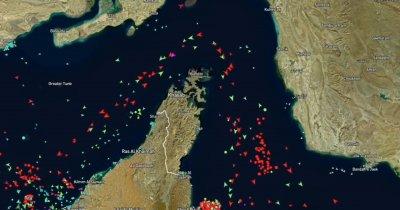
The footage, which was made public between July 10-12, illustrates Iran's military readiness and willingness to retaliate against US military installations following a series of American airstrikes on July 7-8 that targeted Iranian assets across the Gulf. Notably, these strikes were aimed at protecting vital commercial shipping routes in the Strait of Hormuz, a key artery for global oil supply.
The IRGC’s retaliation included strikes on multiple US facilities, including the strategically important Al Udeid Air Base in Qatar. This tit-for-tat exchange indicates a troubling cycle of military action that could lead to further escalations, thereby affecting not just regional stability but also international markets.
Crypto Implications Amid Rising Geopolitical Risks
While the immediate impact on cryptocurrency markets appears muted, investors should remain vigilant. The IRGC has a notorious history of leveraging cryptocurrencies to skirt international sanctions, with billions reportedly funneled through various exchanges. As military tensions rise, so does the probability of expanded sanctions against Iran, making this crypto pipeline even more pertinent.
Crypto investors should be aware that any escalation in conflict could lead to volatility not just in energy markets but also in cryptocurrencies, particularly if sanctions increase the use of digital currencies as a means of evading financial restrictions. The interconnectedness of these markets means that when geopolitical tensions rise, ripple effects can be felt across various asset classes.
The Bigger Picture: Risk Appetite and Market Dynamics
This conflict, rooted in earlier Israeli and US operations in 2026, suggests a long-term cycle of retaliation that could impact global investor sentiment. As military confrontations escalate, risk appetite among investors tends to wane. This could lead to a flight to safety, typically favoring assets like gold or stablecoins, rather than cryptocurrencies that are perceived as riskier investments.
In essence, while the crypto market may currently be stable, the broader implications of US-Iran tensions necessitate a cautious approach for investors. As history has shown, geopolitical conflicts can quickly change market dynamics, leading to unforeseen consequences for traders and investors alike.
This material is informational and not financial advice.