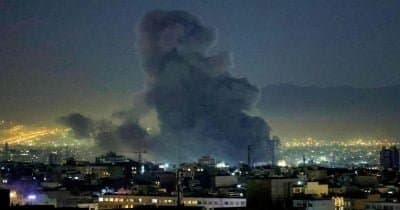
Recent explosions reported in Bahrain have heightened the existing tensions between the United States and Iran, signaling a critical juncture in the ongoing geopolitical conflict. Bahrain, strategically significant as the home of the U.S. Fifth Fleet, has become a focal point for military actions, suggesting that such incidents are not merely isolated events but part of a broader narrative of escalating hostilities in the Gulf region.
This series of violent occurrences follows the United States' renewed airstrikes on Iranian territory, leading to retaliatory actions from Iran targeting U.S. military bases. The cycle of aggression undermines diplomatic efforts and peace talks between the involved parties, which appeared to be gaining momentum earlier this year. However, the latest developments bring an air of uncertainty to these diplomatic discussions.
The reaction in the markets indicates a growing skepticism regarding the likelihood of successful U.S.-Iran peace talks. Analysts note that the pricing behaviors reflect a decreased probability of negotiations scheduled in the UAE by the end of September. This sentiment is illustrated by fluctuating YES percentages across various sub-markets, further reinforcing the notion that investors are wary of imminent diplomatic breakthroughs.
Market observers will be closely monitoring any official communications from the U.S. or Iranian governments for signs of shifts in diplomatic strategies or potential announcements regarding peace talks. The prospect of further military escalations could substantially influence market expectations surrounding future discussions, particularly if talks are officially postponed or if a significant military event occurs. Such developments could trigger further volatility in investment sentiments, reverberating across global markets.
The implications of these tensions extend beyond the immediate conflict; they could affect not only regional stability but also global economic conditions. An extended conflict could lead to rising oil prices and increased market volatility, impacting investors' portfolios and adjusting risk appetites across various asset classes. Additionally, as outlined in how geopolitical tensions shape gold and oil prices, commodities often react sharply to such instability, which could create opportunities or challenges for market participants.
This article is for informational purposes only and should not be considered financial advice.