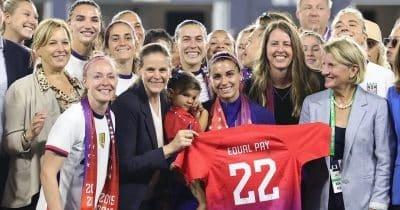
The recent decision by US Soccer to divide $16 million of FIFA World Cup prize money equally between the men’s and women’s national teams marks a significant milestone in the conversation surrounding pay equity in sports. As 52 players, 26 from each team, stand to receive approximately $246,154 each, this groundbreaking action not only reflects a comprehensive agreement from 2022 but also transitions a long-standing legal battle into a fruitful partnership.
Why This Matters to Players and Fans
This distribution of prize money signifies more than just financial fairness; it embodies a cultural shift within sports. For years, the US Women’s National Team (USWNT) advocated for equal pay, highlighting their contributions and revenue generation that often surpassed the men’s team. The legal challenges, including a high-profile lawsuit that forced US Soccer to reevaluate its compensation policies, resonate beyond the pitch. They set a precedent for women athletes in all sports, showcasing the importance of equity and equal recognition in a traditionally male-dominated arena.
- Equal payout of $16 million in FIFA prize money.
- About $246,154 per player for 52 eligible athletes.
- Policy applies regardless of tournament participation.
The very structure of the payout, which allows men to benefit from women’s successes and vice versa, redefines the competitive landscape, fostering a more collaborative environment. This equitable sharing of wealth will likely encourage further investments in women’s sports, ultimately benefitting teams and leagues at all levels.
Future Implications for the Sports Industry
As this precedent unfolds, it raises critical questions about how other sports organizations will approach pay equity. Will other leagues and federations follow suit, or will they resist this change? The implementation of similar equal-pay frameworks could drive increased sponsorship and viewership, particularly in women’s sports, laying the groundwork for more balanced opportunities in the future.
The momentum generated by these policies could also pave the way for enhancements in market dynamics within the sports sector. A more equitable compensation structure not only benefits the athletes involved but could shift public perception and encourage younger generations to participate in sports.
Disclaimer: This material is for informational purposes only and does not constitute financial advice.