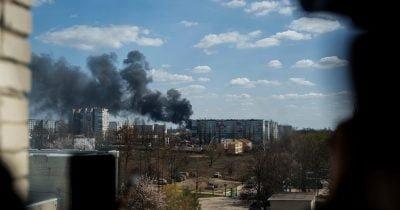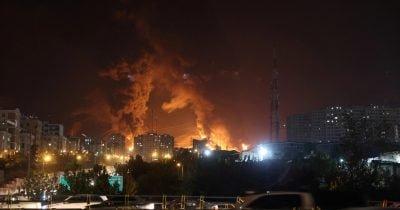
The U.S. Central Command (CENTCOM) has escalated military actions by conducting its third wave of airstrikes against Iran, marking a critical juncture in an already tense geopolitical landscape. These strikes targeted over 90 Iranian military assets, signaling a robust U.S. response to Iran's assaults on commercial vessels in the strategically vital Strait of Hormuz.
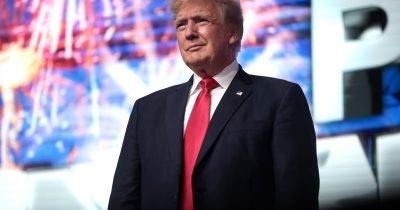
This ongoing conflict has grown more pronounced since a temporary ceasefire fell apart. U.S. President Donald Trump has declared the previous Memorandum of Understanding null and void, emphasizing the need for Iran to restore free passage in the strait, a crucial route for global oil supplies. The stakes have never been higher, with each retaliatory action likely to provoke further military escalation.
Market participants are reacting to these developments with increased wariness. The likelihood of a U.S.-led blockade on Iran has surged in recent days, as recent market pricing reflects a significant uptick in perceived risk associated with Iranian provocations. This heightened risk environment is now seen as a backdrop for potential further U.S. military measures, which could have ripple effects across global markets.
Investors and analysts are advised to monitor any forthcoming statements from key figures, including CENTCOM and President Trump. An official announcement regarding a blockade could reinforce current market sentiment, while unexpected diplomatic resolutions could alter the prevailing narrative, influencing market expectations. The situation is highly fluid, with any developments having the potential to significantly impact pricing and trading strategies in the days ahead. For context on the broader implications of such military actions, see this analysis of Iran's threats.
This material is for informational purposes only and does not constitute financial advice.