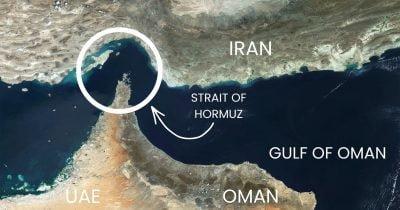
As we examine the ongoing conflicts involving former U.S. President Donald Trump and Russian President Vladimir Putin, it becomes increasingly clear that both leaders are mired in prolonged military engagements that show little sign of resolution. Trump’s recent military actions against Iran have created a complicated landscape for future negotiations surrounding a nuclear deal, with the stakes continuing to rise. Meanwhile, Putin's campaign in Ukraine has reached a tense impasse, where Russian forces are struggling to gain additional ground.
The implications of these stalemates are significant, particularly for the geopolitical landscape and market dynamics. The New York Times reports that the failure of both leaders to achieve decisive outcomes is likely to escalate military actions. This raises concerns about Russia's potential entry into key Ukrainian cities, with current estimates suggesting a 22% likelihood of Russian forces advancing into Sloviansk by the end of 2026.
The ramifications of these conflicts extend beyond the battlefield. The diversion of Western resources towards these military engagements has started to affect energy markets, providing Russia with a broader spectrum to maneuver in its ongoing campaign against Ukraine. This situation could lead to increased volatility in both regional and global markets, as energy supplies become more strained.
It is crucial for observers to stay vigilant regarding the developments in U.S.-Iran negotiations, as any breakthroughs or setbacks could significantly alter military dynamics and resource distribution globally. Furthermore, any changes in Russian military activity or diplomatic maneuvers will likely have echoes in market pricing and investor sentiment.
In conclusion, the protracted nature of these conflicts not only complicates the military stances of Trump and Putin but also shapes the broader geopolitical environment. With uncertainty reigning, it is evident that investors and policymakers must remain attentive to the fluid nature of these developments.
This material is informational and should not be taken as financial advice.