The recent assertions by Iranian hard-liners regarding their opposition to the United States signal a complicated power dynamic amid the ongoing post-war tensions related to the 2026 Iran War. This development is critical as it underscores the firm resistance of factions within Iran that prioritize national sovereignty and ideological purity over diplomatic engagements.
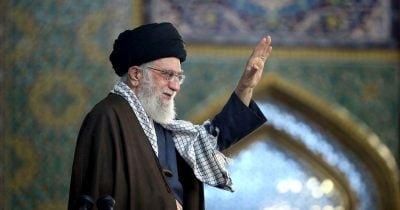
Key figures from the influential Paydari Front, such as Mahmoud Nabavian and Saeed Jalili, are vocally opposing the proposed Memorandum of Understanding with the US, perceiving it as detrimental to both Iran's strategic interests and its internal power structure. Their entrenched views suggest that there is a substantial faction within the Iranian government that remains skeptical of Western overtures, which may prolong existing hostilities rather than facilitate resolution.
The implications of these stances extend beyond Iran's borders. The rejection of diplomatic solutions may lead to a further entrenchment of the current regime's power, impacting the already slim chances of figures like Reza Pahlavi, the exiled crown prince, returning to Iran. As the prospects for his return diminish, this hints at a potential solidification of authoritarian elements within Iranian politics, which could stymie aspirations for democratic reform.
Potential Ripple Effects on Regional Economics
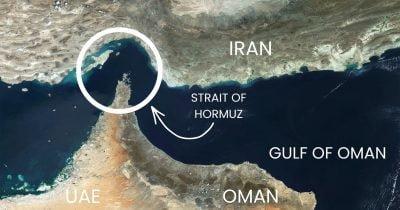
In tandem, the low odds for normalizing traffic through the vital Strait of Hormuz paint a bleak picture for regional stability and economic activity. Given that this strait is a critical passage for global oil shipments, any escalation in tensions could result in significant economic disruptions, affecting not only Iran but also global markets. Continued instability might deter investors and increase the risk premiums associated with trade routes in the region.
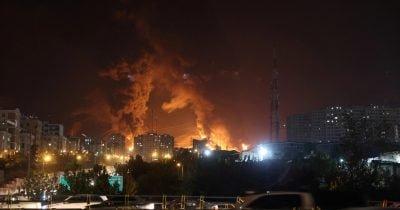
As developments unfold, close attention should be paid to the statements and actions of Iranian hard-liners, as they hold substantial sway over Iran's internal and external strategies. A shift towards aggressive military posturing could further complicate the geopolitical landscape and diminish any remaining prospects for a thaw in US-Iran relations. Additionally, any further military escalation might have dire consequences for shipping and energy markets globally, raising questions about the security of vital supply chains.
In summary, the hard-liners' defiance is emblematic of broader struggles within Iran that could have far-reaching implications for regional security and market stability. Investors should remain vigilant, monitoring both military developments and diplomatic inquiries that could alter the dynamics in this critical region.
This article is for informational purposes only and should not be considered financial advice.