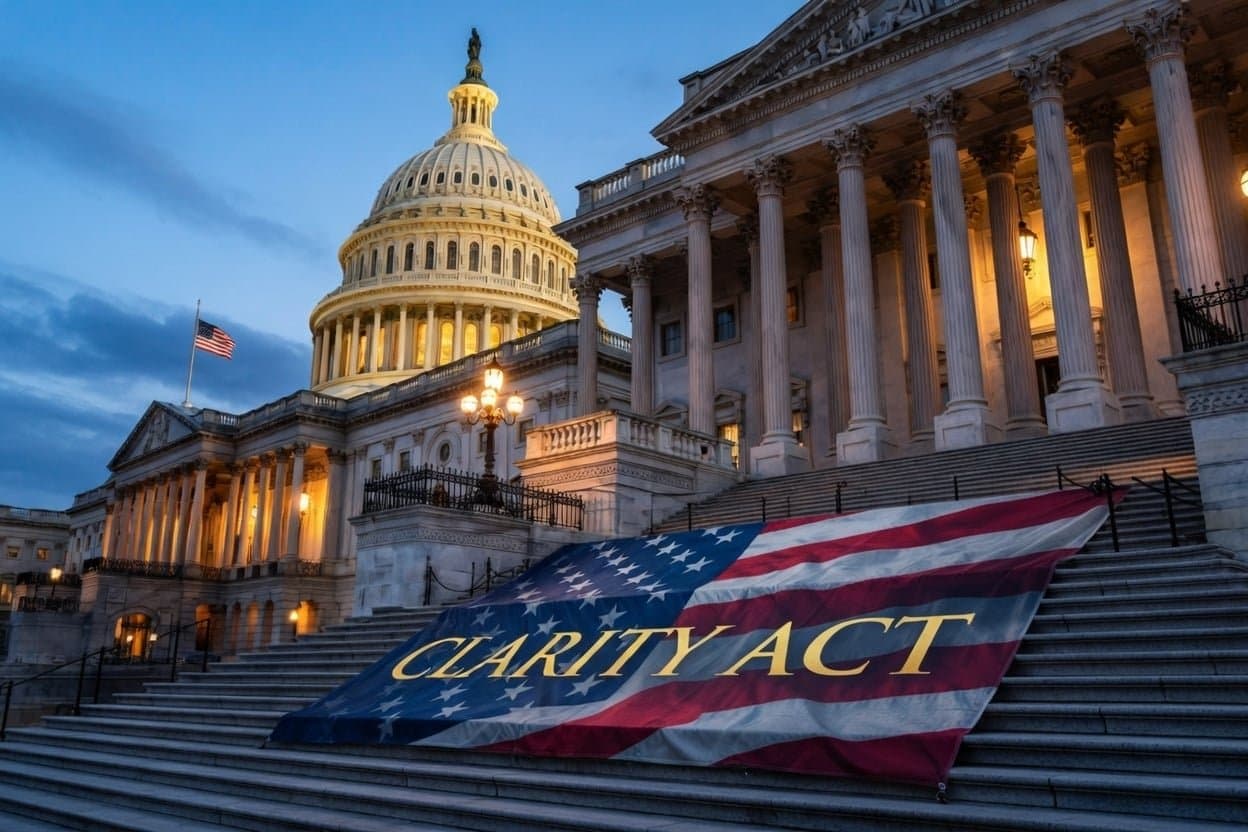
On the legislative front, Coinbase vice chair Ryan VanGrack revealed that Democratic senators inserted specific consumer protection measures into the CLARITY Act, currently under Senate review.
This development signals a growing prioritization of user safeguards in digital asset regulation, potentially setting a precedent for how crypto markets will be structured in the US.
Consumer protection provisions often translate to stricter compliance requirements for exchanges and service providers, which could impact operational costs and onboarding processes.
For investors, enhanced protections might reduce fraud risks but could also affect market liquidity if certain activities become more regulated.
The CLARITY Act’s progress and amendments like these highlight the balancing act lawmakers face between fostering innovation and preventing consumer harm.
As this legislation evolves, it will be critical to monitor how these protections influence both institutional and retail participation in the crypto ecosystem.
For context, this aligns with broader regulatory trends seen in recent discussions about tokenized securities and market structure reforms, such as Brazil's tokenized securities regulation.
This material is informational and not financial advice.