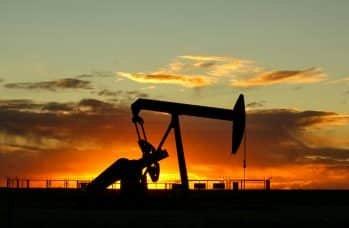
The recent decline in oil prices amidst a backdrop of tight supply reveals an intriguing dynamic in the global energy market. As of now, crude oil prices hover around $72.20-$72.23 per barrel, even as supply disruptions, particularly in the Middle East, continue to concern traders. This price movement raises questions about the interplay between supply and demand, especially as a significant factor the weakening economic growth in China casts a long shadow over demand forecasts.
Understanding the Importance of Current Oil Price Trends
The current situation is critical for investors and market analysts alike, largely due to the potential implications for inflation and global economic stability. Upcoming oil demand forecasts suggest a reduction of approximately 1.1 million barrels per day in 2026, considerably influenced by decreased consumption in China, where GDP growth is projected to decelerate to between 4.4% and 4.5%. This aligns with the expectations that energy-related inflation may also subsist at lower levels, given the overall slowdown in major markets.
- Current oil prices are approximately $72.20-$72.23 per barrel.
- Projected decline in global oil demand: 1.1 million barrels per day throughout 2026.
- China's GDP growth forecast is between 4.4% and 4.5%.
- Probability of oil prices reaching a new all-time high by September 30 is only 4%.
Moreover, market sentiment seems increasingly skeptical about an imminent surge in oil prices, with recent trends indicating a shift towards expectations supportive of stability rather than volatility.
What Lies Ahead for Oil Prices and the Market
Observers must remain alert to further economic trends emerging from China and other leading economies, since a continuous decline in economic activity could reinforce existing bearish trends for oil prices. Additionally, geopolitical factors, particularly those stemming from Middle East tensions, remain a key aspect to monitor, as they could fundamentally alter supply dynamics in the near future. Stakeholders should keep an eye on developments from prominent figures such as OPEC’s Secretary General Mohammad Sanusi Barkindo and Saudi Energy Minister Abdulaziz bin Salman Al Saud for crucial signals regarding upcoming oil production strategies.
This material is for informational purposes only and does not constitute financial advice.