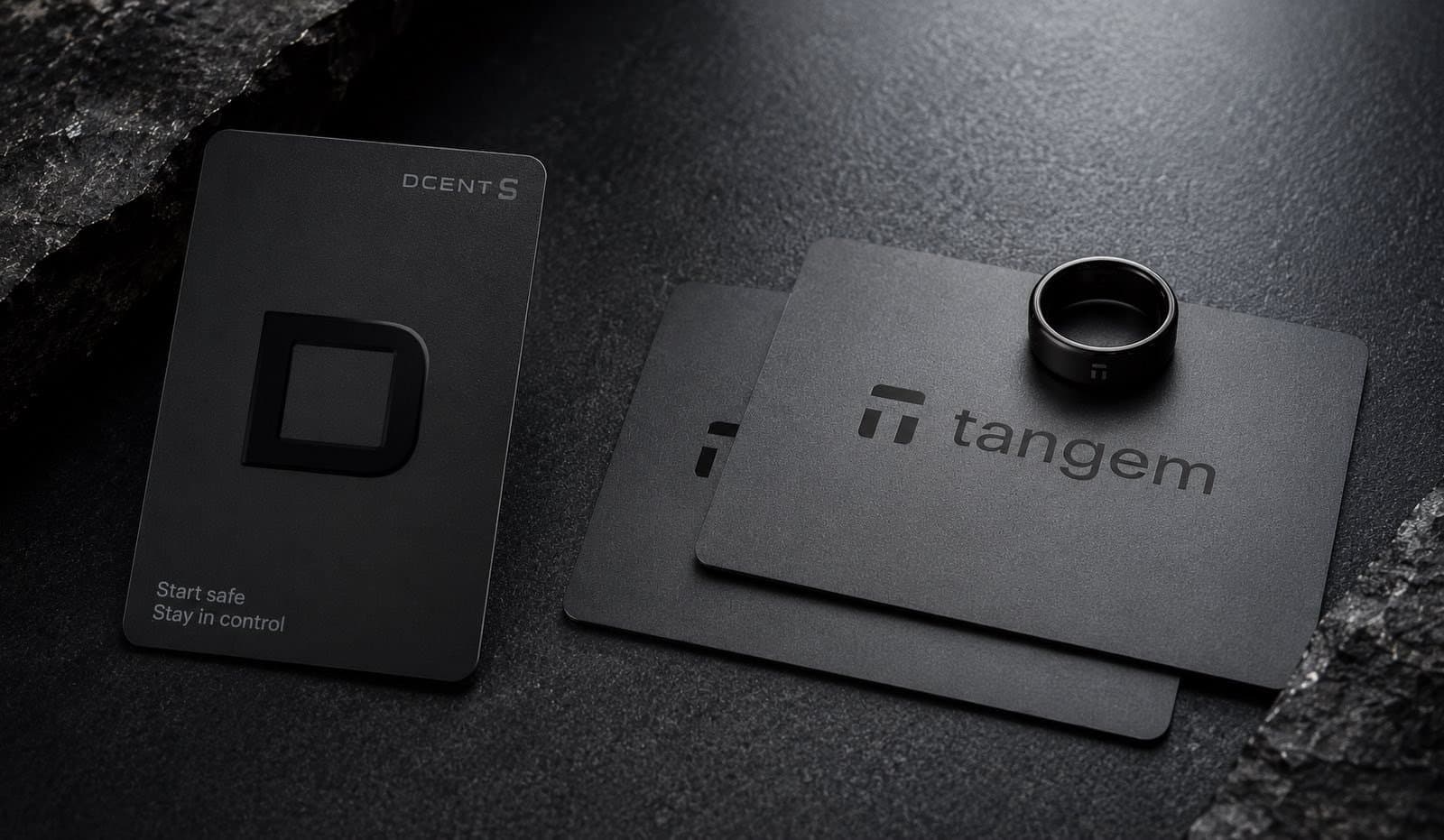
Hardware wallets are no longer defined by bulky USB devices tethered to cables. A new breed has emerged: card-shaped cold wallets that slip smoothly into a regular wallet and use NFC technology for transaction signing. This shift represents more than convenience; it challenges established players like Ledger and Trezor by rethinking portability and user interaction.
Beyond Form: Security and Ecosystem Implications
The design innovation of DCENT S Wallet and Tangem wallets hides complex security decisions beneath their slim profiles. Their NFC-enabled cards eliminate physical connectors, reducing attack surfaces associated with USB cables and ports. However, this convenience must be weighed against potential NFC vulnerabilities and the robustness of their secure elements.
Both wallets support a broad range of coins, accommodating diverse portfolios, but the depth of integration with mobile apps defines the overall user experience. Mobile apps act as the interface for transaction verification and wallet management, making their usability and security critical points for investor confidence.
The rise of these card-style wallets signals a nuanced evolution in hardware wallet adoption, adapting to users who prioritize stealth and ease of use without compromising on cryptographic security. For investors, this could mean broader participation as barriers linked to traditional devices fade.
The hardware wallet market has seen a quiet revolution over the past few years. Even though traditional USB-style devices like Ledger and Trezor still dominate the conversation, a new category of card-shaped cold wallets has emerged. These devices look like credit cards, fit in your wallet, and use NFC to sign transactions. No cables, no connectors.
As these wallets gain traction, the market dynamics may shift significantly. The interplay between design, security, and multi-coin support will shape competitive advantages. Investors should monitor how these factors influence adoption and trust.
This is part of a broader trend where crypto infrastructure adapts to real-world use cases, enhancing engagement. Similar innovations in crypto infrastructure have recently impacted fan engagement at large events like the 2026 World Cup.
This article is for informational purposes only and should not be considered financial advice.