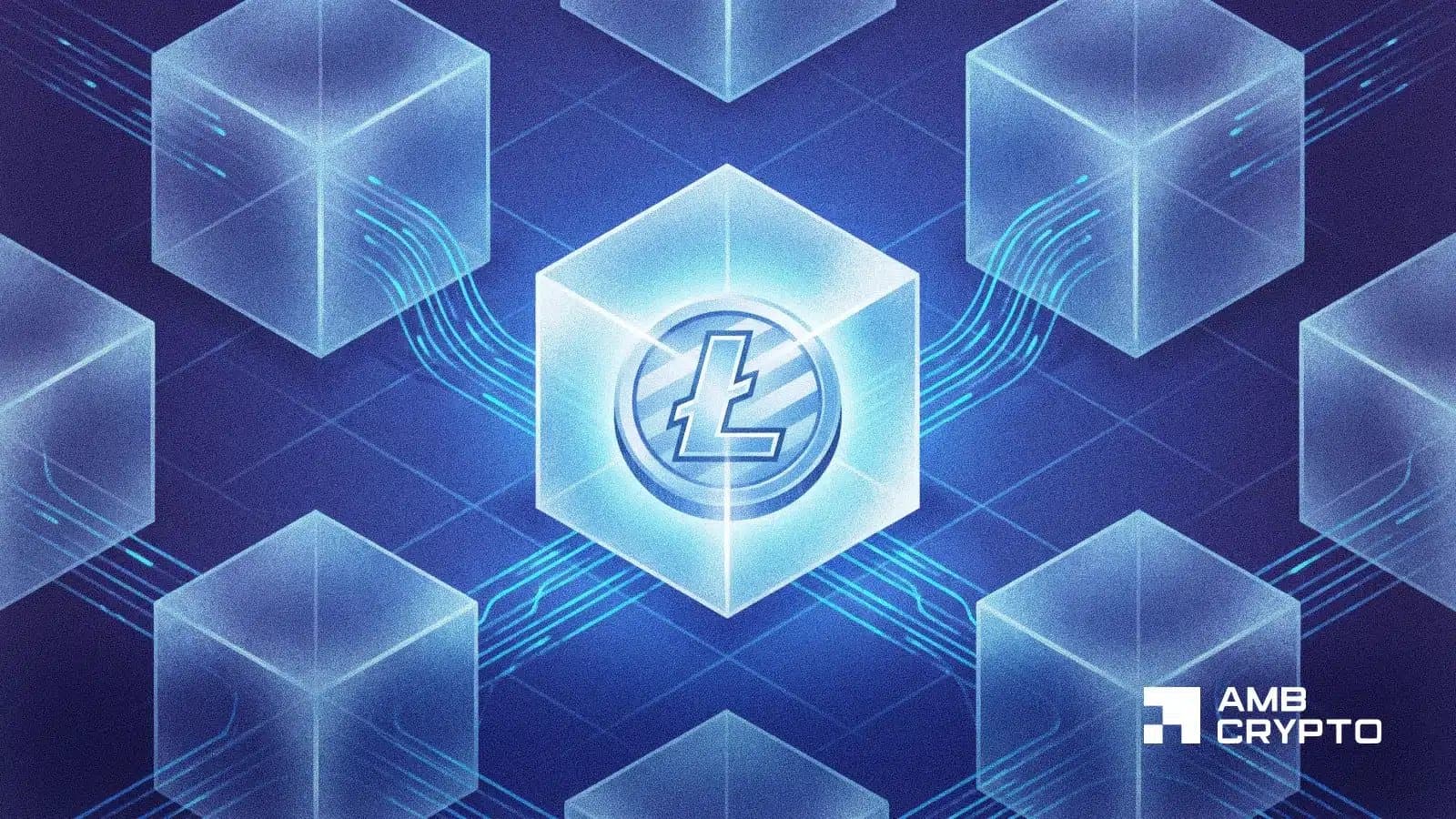
140 million transactions processed, 11 million addresses touched, and Litecoin's DeFi ecosystem still holds just $700,000 in total value locked. That gap tells the real story behind LitVM, the EVM-compatible layer-2 that Litecoin developers are building to bring smart contracts to the network without touching its base layer.
The mechanics are straightforward: LitVM executes transactions off-chain, then settles them back on Layer-1, preserving Litecoin's existing security model. Since April 2026, the LiteForge public testnet has pulled in over 4.4 million wallets and cleared more than 63 million of those 140 million total transactions. Developers have been running DeFi applications, AI agents, and cross-chain tools through the environment, which signals genuine technical curiosity. Testnet numbers always carry an asterisk, though, because incentive programs and experimentation inflate activity in ways that mainnet rarely replicates.
The $700,000 TVL figure is where optimism runs into arithmetic. For context, mid-tier DeFi protocols on Ethereum or even smaller EVM chains routinely hold that figure in a single liquidity pool. Litecoin's number is the entire ecosystem. Technical milestones and real capital commitment are two different things, and right now LitVM has plenty of the former and almost none of the latter.
If the mainnet launch, currently targeted for Q4 2026, goes cleanly, the economic case for LTC expands considerably. The token could function as a gas asset, collateral, a liquidity source, and a yield vehicle inside the new layer, diversifying demand beyond simple payment fees. That would structurally change how investors think about LTC supply dynamics. But the Q4 date is a development target, not a contractual deadline, and smart contract layers introduce bridge and audit risks that have burned users on other chains repeatedly. The regulatory environment around crypto infrastructure adds another variable that could affect institutional appetite for newer layer-2 ecosystems regardless of technical quality.
The honest read is this: 140 million testnet transactions prove the plumbing works under synthetic load. Whether real liquidity providers, committed protocol teams, and consistent users show up after mainnet is the question that $700,000 TVL has not yet answered.
This article is for informational purposes only and does not constitute financial advice. Crypto investments carry significant risk; always do your own research before making any financial decisions.